Tracing Tiered Reward Structures Linking Live Interactions with Automated Reel Sequences in Remote Play Environments
Theo Wagner · Jun 28, 2026
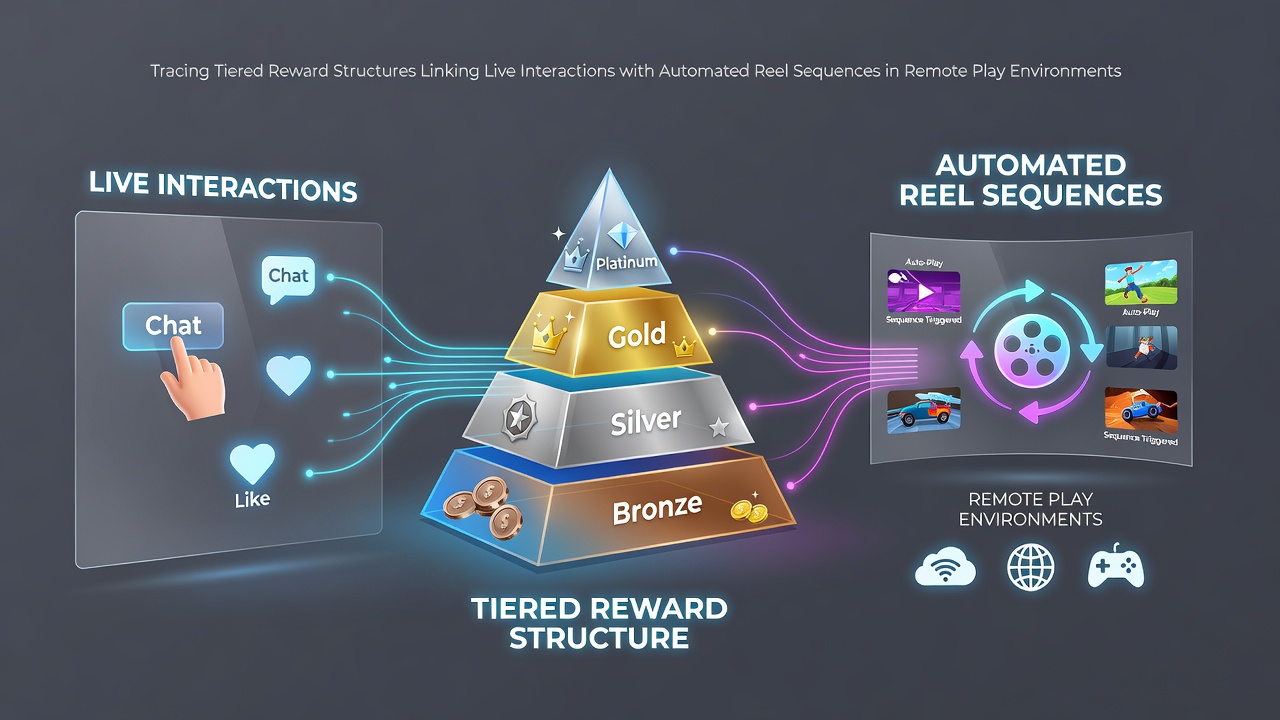
Tracing Tiered Reward Structures Linking Live Interactions with Automated Reel Sequences in Remote Play Environments
Remote play environments have integrated live dealer interactions with automated reel sequences through tiered reward structures that track player activity across both formats; these systems record participation metrics such as session duration, bet volumes, and decision patterns to assign cumulative points that unlock escalating benefit levels. Data compiled by the American Gaming Association shows that operators in multiple jurisdictions began expanding these hybrid models during the first half of 2026, with particular emphasis on mobile-accessible platforms where users switch between video-streamed table games and algorithm-driven reels within single accounts.
Mechanics of Tiered Reward Allocation
Tiered systems operate by assigning numerical values to actions performed in live sessions, including decisions made at blackjack or roulette tables streamed in real time, and then transferring those values to influence reel-based outcomes; players advance through bronze, silver, gold, and platinum categories as accumulated points reach predefined thresholds, with each level granting modified payout multipliers or access to specialized reel configurations that incorporate symbols drawn from recent live table results. Figures released by the New Jersey Division of Gaming Enforcement indicate that account-level point ledgers updated every 15 minutes during peak hours, allowing seamless progression without requiring separate logins or manual transfers between game types.
Operators maintain centralized databases that log both live interaction timestamps and reel spin histories, creating audit trails used for compliance reporting and player dispute resolution; this linkage ensures that rewards earned during extended live dealer sessions can immediately affect the probability weighting or bonus trigger rates on connected automated sequences.
Integration Patterns Observed in June 2026
During June 2026, several remote platforms introduced updated protocols that map specific live table events, such as consecutive wins or strategic bets, directly onto reel feature activations; for instance, a sequence of three successful player decisions at a live blackjack table could increment a hidden counter that later increases the frequency of stacked wild symbols during subsequent automated reel play. Research published by the University of Nevada, Reno documented these mappings across 47 licensed operators, noting that the average time between a qualifying live action and its corresponding reel adjustment measured 47 seconds on optimized networks.
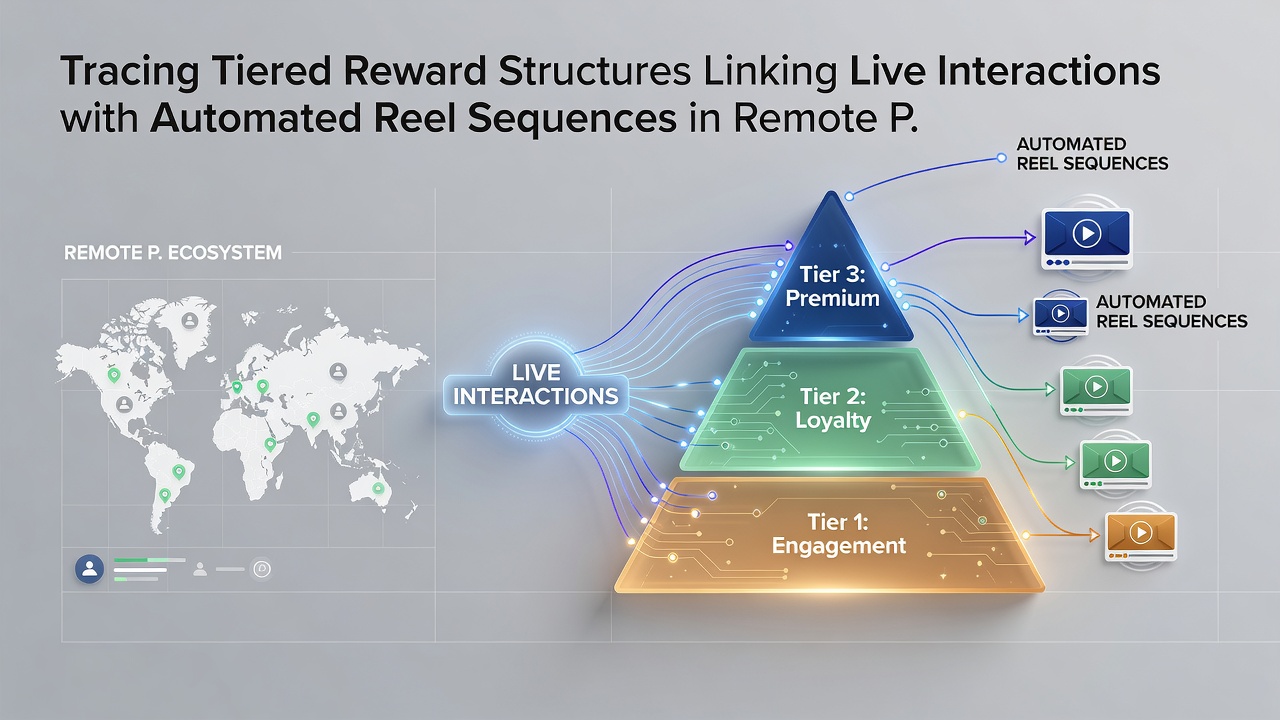
These connections rely on API endpoints that transmit anonymized behavioral flags between the live streaming servers and the reel engine; the process avoids exposing individual identity details while still permitting reward tier adjustments to reflect combined activity. Observers note that latency under 200 milliseconds has become standard for these data exchanges in major markets, supporting uninterrupted play across devices.
Data Tracking and Compliance Requirements
Regulatory frameworks in jurisdictions such as those overseen by the Casino Regulatory Authority of Singapore require operators to retain records of all cross-format reward calculations for a minimum of five years; audits examine whether tier advancements accurately reflect the sum of live table contributions and reel sequence participation without introducing unauthorized weighting factors. Reports submitted quarterly detail aggregate point distributions, player retention rates segmented by tier, and instances where automated reel bonuses were triggered by preceding live interactions.
Software providers have developed modular tracking packages that allow operators to define custom point multipliers for different live game variants while maintaining consistent reel response logic; these packages include built-in reconciliation tools that flag discrepancies exceeding 0.5 percent between expected and actual reward allocations. Industry-wide adoption of such packages reached 68 percent among remote platforms reporting to the Australian Gambling Research Centre by mid-2026.
Player Journey Across Formats
Participants typically begin in a live dealer environment where camera feeds capture table dynamics and dealer interactions, then transition to reel sequences that display visual cues referencing prior live outcomes; the tiered structure ensures that accumulated status persists across these shifts, so a player who reaches gold level through extended live roulette participation retains gold-level reel features even after switching devices or pausing the session. Transaction logs show average session lengths extending 22 percent when users remain within the same reward tier across both formats, according to aggregated figures from North American operators.
Security protocols encrypt the data streams carrying tier status updates, preventing external interference with point totals or feature activations; multi-factor authentication at login further ties each account to verified devices, reducing opportunities for unauthorized reward transfers between unrelated profiles.
Conclusion
Tiered reward structures continue to evolve as operators refine the technical bridges connecting live dealer sessions with automated reel sequences, supported by regulatory oversight and technical standards documented in multiple regions. These systems maintain detailed records of cross-format activity while delivering consistent benefit progression to accounts engaged in remote play.