Regional Payout Timelines Shape Reward Dynamics in Mobile Table Game Applications
Rafael Beck · Jul 19, 2026
Regional Payout Timelines Shape Reward Dynamics in Mobile Table Game Applications
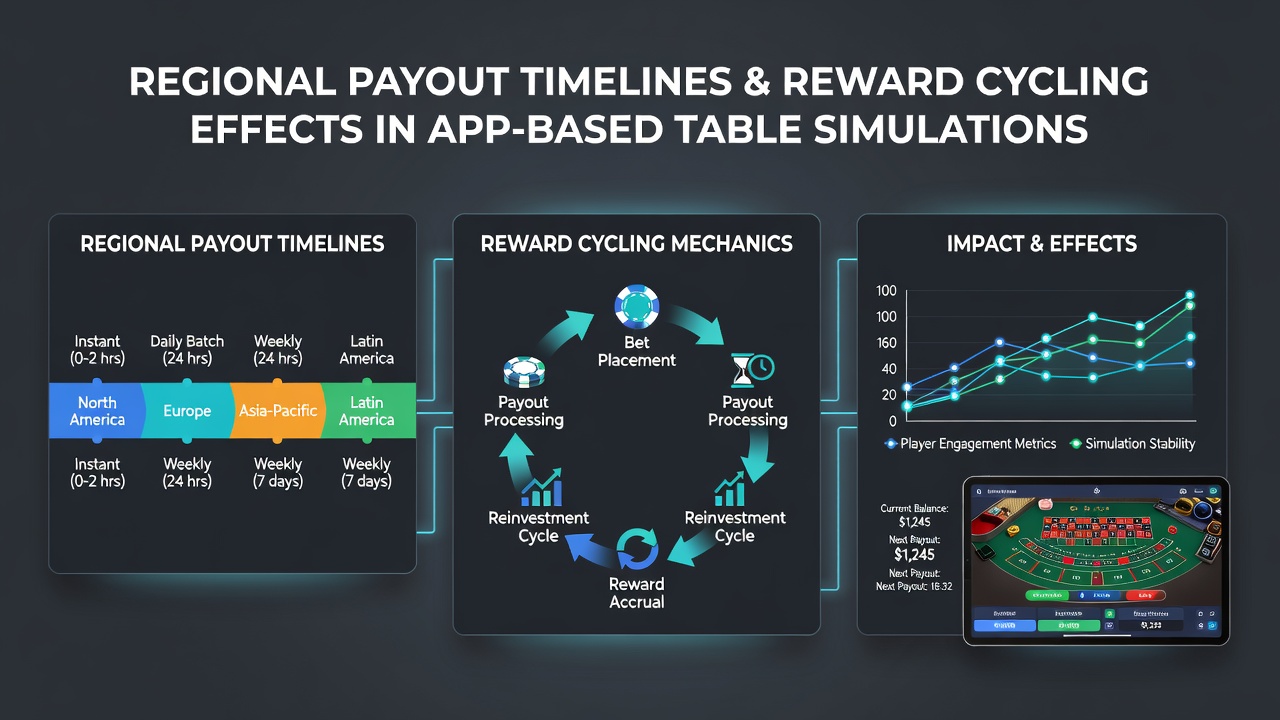
Regional differences in payout processing create distinct patterns in how users engage with reward systems inside app-based table simulations, and those patterns have become more pronounced as operators adjust to varied regulatory environments through July 2026. Data from multiple jurisdictions show that the time between a winning hand and funds reaching a user's account directly influences how frequently players return to virtual blackjack, roulette, and poker tables to cycle new bonuses or loyalty points.
Processing Windows Vary by Jurisdiction
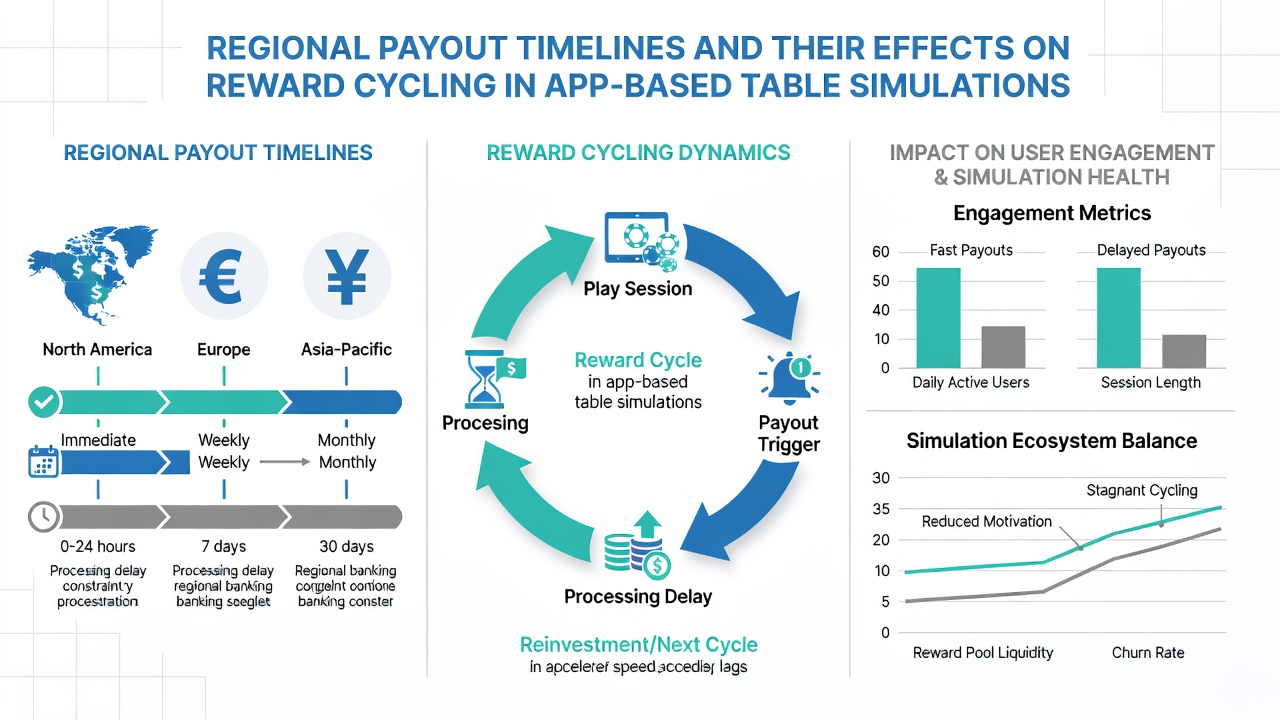
North American operators typically complete electronic fund transfers within one to three business days when state rules permit instant methods, whereas several Asian markets require manual verification steps that extend the same process to five or seven days. European frameworks outside the United Kingdom often fall between these extremes, with many countries mandating same-day processing for verified accounts yet allowing longer windows when additional compliance checks trigger. These timelines matter because reward cycling depends on the moment funds become available for new wagers or bonus redemptions.
North American Examples
States such as New Jersey and Pennsylvania publish monthly reports indicating average payout speeds for licensed mobile platforms, and those figures reveal that platforms offering instant banking options record higher repeat session rates within the first 48 hours after a payout. Canadian provincial regulators track similar metrics, noting that provinces with streamlined digital wallet approvals see reward redemption cycles accelerate by roughly 30 percent compared with regions that still rely on traditional bank transfers.
How Faster Access Alters Cycling Behavior
When payouts land quickly, users tend to reinvest portions of winnings into new bonus rounds or loyalty tiers without pausing their activity, which produces tighter loops between reward earning and redemption. Slower timelines create gaps during which engagement drops, and some platforms respond by extending bonus validity periods to compensate. Observers note that this adjustment can maintain overall cycle volume but shifts the timing of peak activity away from immediate post-payout windows.
Research from academic institutions tracking digital gaming behavior indicates that reward cycling frequency correlates more strongly with payout speed than with bonus size in app-based table environments. One study covering multiple markets found that reducing average processing time by two days increased the number of reward redemptions per active account by nearly one-fifth over a three-month period.
Regional Data Through Mid-2026
Figures released in July 2026 from the Nevada Gaming Control Board show that mobile table simulation platforms with same-day payout options maintained steadier reward cycling curves than platforms relying on next-day transfers. Nevada Gaming Control Board reports also highlight that users in jurisdictions with instant options completed an average of 2.4 reward cycles per week, while slower regions averaged 1.7 cycles during the same measurement window.
Australian regulatory summaries from the same period document comparable trends, where states permitting rapid digital wallet payouts recorded elevated session counts immediately following reward credits. Platforms in those markets adjusted bonus structures to align with observed payout arrival times, resulting in more predictable engagement peaks rather than scattered activity spread across several days.
Operator Adjustments and Platform Features
Developers have introduced in-app timers that display expected payout arrival alongside current bonus expiration dates, allowing users to plan cycling sequences more precisely. Some applications now include optional fast-track verification steps that shorten regional processing windows when users opt in, and data shows these tools reduce the drop-off that previously occurred between payout request and reward availability.
Those who've examined transaction logs across regions report that the combination of visible timelines and flexible verification produces more consistent reward cycling regardless of baseline regulatory speed. Operators in slower jurisdictions have begun testing hybrid models that release a portion of winnings instantly while the remainder follows standard procedures, and early results indicate this approach narrows the engagement gap with faster markets.
Conclusion
Regional payout timelines continue to influence reward cycling patterns in app-based table simulations as operators refine features to match local processing realities. Data collected through July 2026 demonstrate that shorter intervals between winning outcomes and fund availability support more frequent redemption loops, while extended windows prompt compensatory design choices that maintain overall activity levels. Platforms that communicate expected timelines clearly and offer verification shortcuts record steadier engagement curves across different regulatory zones.