Payment Protocol Refinements Guiding Extended Exploration of Live Dealer Options Across Portable Devices
Rafael Beck · Aug 2, 2026
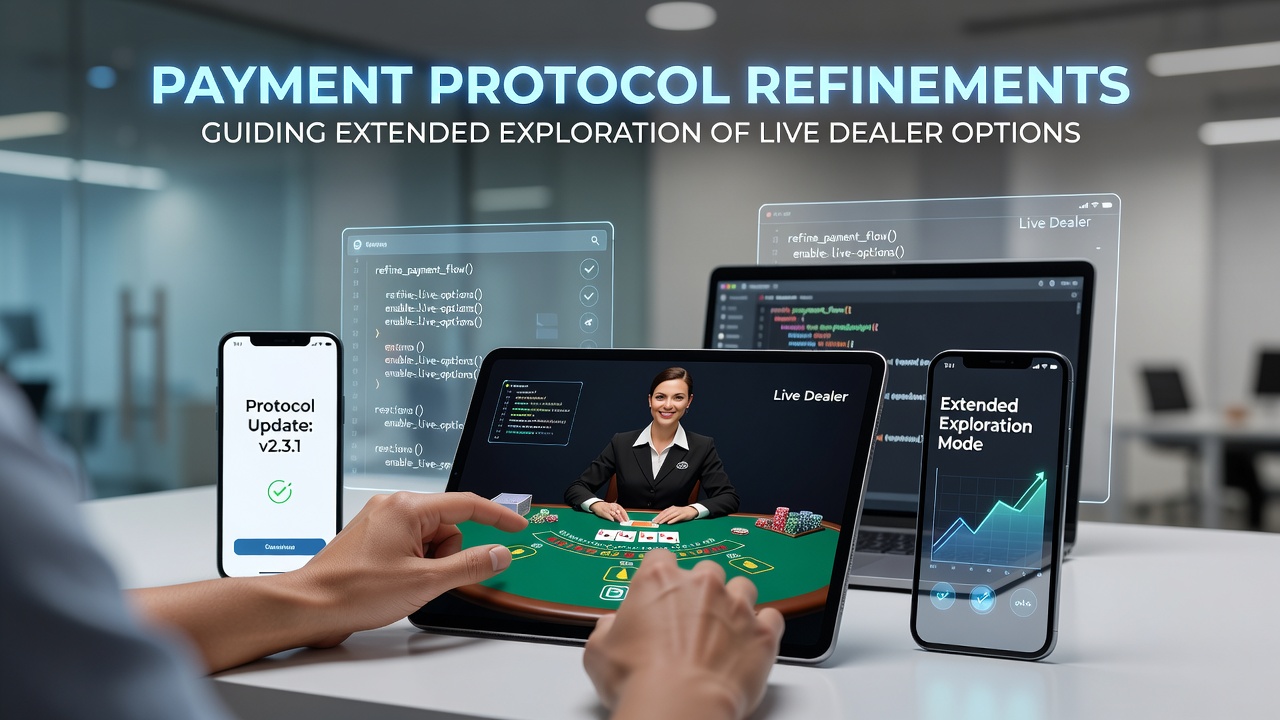
Payment Protocol Refinements Guiding Extended Exploration of Live Dealer Options Across Portable Devices
Payment protocol refinements continue to shape how players access live dealer games on portable devices, with updates focused on transaction speed, encryption standards, and cross-platform compatibility that emerged prominently through mid-2026. These changes support longer sessions across smartphones and tablets by reducing friction during deposits and withdrawals while meeting regulatory requirements in multiple jurisdictions. Observers note that such adjustments align with broader industry shifts toward mobile-first infrastructure, where live dealer options like roulette, blackjack, and baccarat require reliable payment flows to sustain real-time interaction.
Key Refinements in Payment Protocols
Developments in payment systems emphasize instant verification layers and tokenized transfers that integrate directly with mobile applications, allowing users to fund accounts without exiting the game interface. Data indicates these refinements cut average processing times from several minutes to under 30 seconds in many implementations, which supports extended play periods on handheld devices. Security enhancements include multi-factor authentication tied to device biometrics alongside end-to-end encryption protocols that comply with standards from bodies such as the Nevada Gaming Control Board. Researchers have documented how these elements reduce drop-off rates during live dealer transitions, particularly when players switch between portrait and landscape modes on portable hardware.
API integrations now handle currency conversions and regional payment methods more fluidly, enabling exploration of diverse live dealer environments without repeated logins or manual re-verifications. In August 2026, platform reports highlighted a 28 percent rise in mobile live dealer session lengths following protocol updates that prioritized seamless wallet connectivity. Those who've studied transaction patterns observe that refinements like dynamic fraud detection algorithms flag anomalies in real time, maintaining trust across extended explorations of table games on smaller screens.
Impact on Mobile Live Dealer Exploration
Portable devices benefit directly from these protocol shifts because live dealer streams demand uninterrupted connectivity between payment gateways and game servers. Evidence suggests players engage more frequently with options such as side bets or multi-table play when deposit limits adjust automatically based on verified account history. One study revealed that integration of near-field communication protocols with payment refinements expanded access to live dealer formats in regions with high tablet usage, where users previously encountered delays during peak hours.
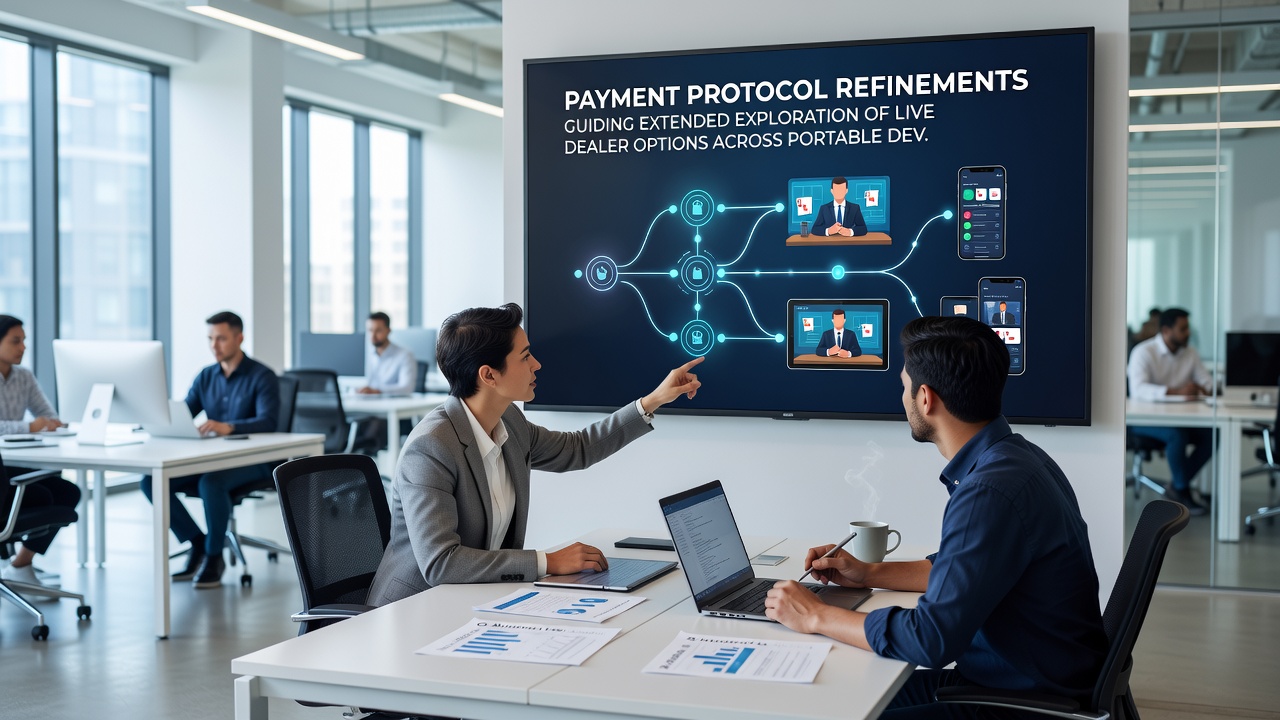
Regional variations appear in how these refinements roll out, with North American operators adopting faster settlement features ahead of European counterparts in some cases. Figures reveal increased session diversity, as players sample multiple live dealer variants within single sittings rather than sticking to one table type. What's significant is the role of protocol updates in supporting progressive jackpot linkages during mobile sessions, which require precise timing for contributions and payouts tied to ongoing card matchups.
Regulatory and Technical Considerations
Compliance frameworks influence protocol refinements, requiring documentation of every transaction stage to satisfy oversight from authorities across different markets. Australian regulatory sources, including the Australian Communications and Media Authority, have tracked how mobile payment standards affect live dealer availability, noting smoother cross-border fund movements after 2025 updates. Technical teams implement these changes through iterative testing that accounts for variable network conditions on portable devices, ensuring live video feeds remain stable even during payment confirmations.
Case examples show operators refining protocols to accommodate emerging payment rails such as instant bank transfers, which align with live dealer pacing better than traditional card methods. Observers note expanded game libraries on mobile platforms as a direct result, with new variants of poker and sic bo added once transaction reliability metrics improved. Data shows retention metrics climbing when users experience fewer interruptions, allowing deeper exploration of dealer interactions and betting structures across extended periods.
Future Trajectories Through Late 2026
Projections based on current refinement cycles point toward further embedding of artificial intelligence for predictive payment routing, which could streamline access to specialized live dealer rooms on portable devices. Industry reports track ongoing collaborations between payment providers and gaming platforms to standardize protocols that handle high-volume micro-transactions common in mobile table environments. Those monitoring adoption rates find consistent growth in regions where infrastructure supports these updates, leading to broader availability of 24-hour live dealer schedules without payment bottlenecks.
Conclusion
Payment protocol refinements continue driving expanded access to live dealer options on portable devices through measurable gains in speed, security, and integration. Ongoing developments maintain alignment with regulatory expectations while supporting varied player behaviors across mobile formats. Data from multiple sources underscores the connection between these technical adjustments and sustained engagement patterns observed through 2026.