Payment Processing Timelines Shape Session Lengths in Portable Live Gaming Environments
Otto Zimmermann · Aug 26, 2026
Payment Processing Timelines Shape Session Lengths in Portable Live Gaming Environments
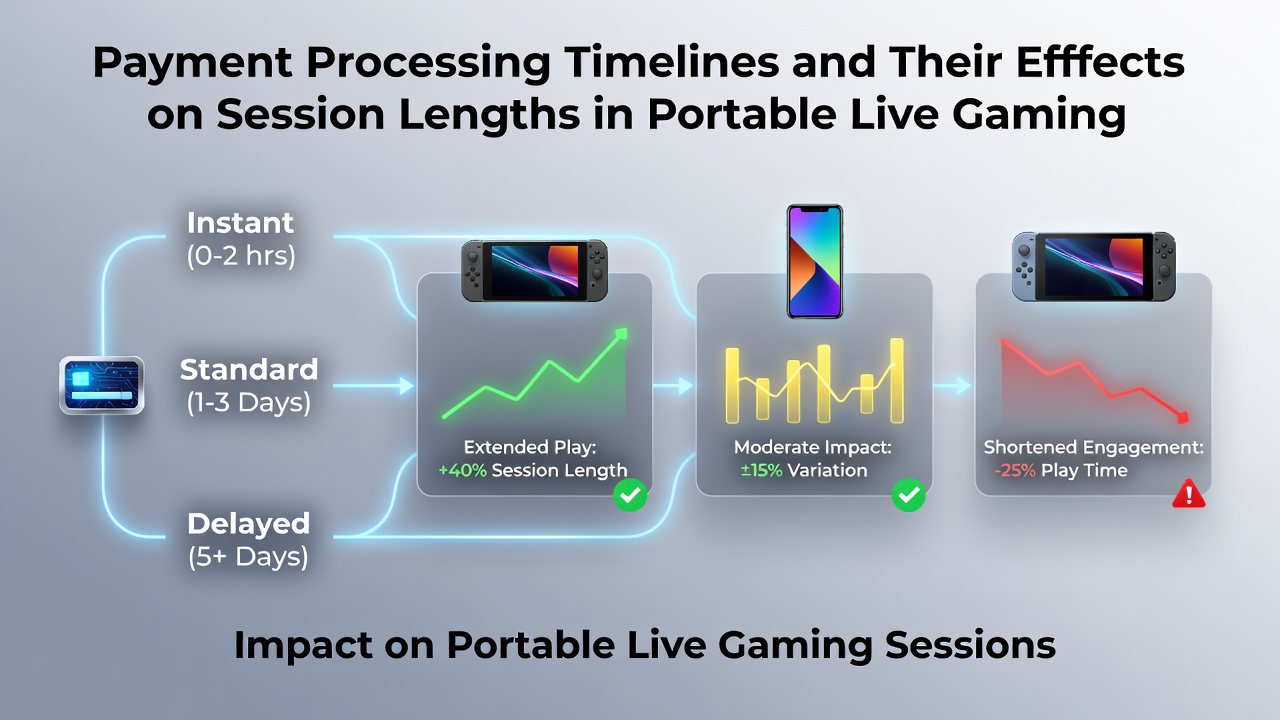
Payment processing timelines directly influence how long users stay connected to portable live gaming platforms, where live dealer interactions on smartphones and tablets depend on seamless funding to maintain momentum across tables and rounds.
Data from regulatory filings shows that instant deposit options reduce friction points that previously interrupted play, while delays of even a few minutes correlate with higher abandonment rates during live sessions. Observers note that in August 2026 mobile operators reported measurable shifts in average engagement windows after implementing faster verification layers tied to banking partners.
How Transaction Speeds Connect to User Retention Patterns
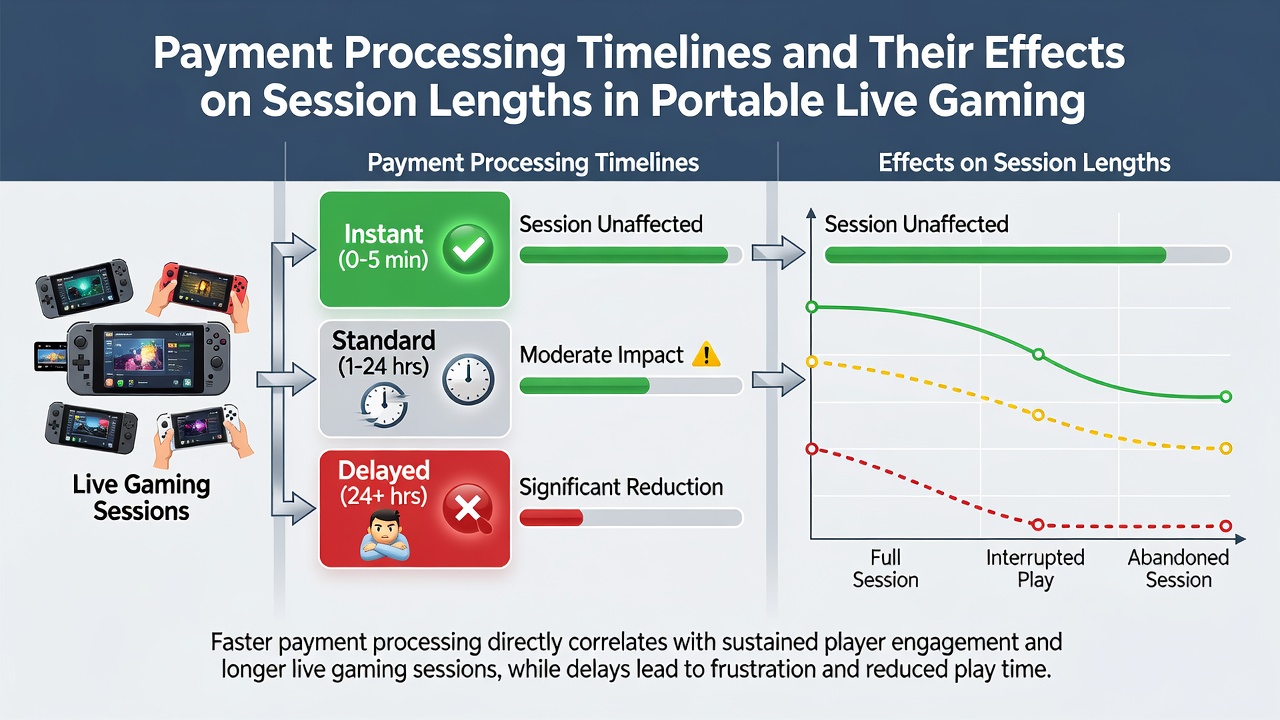
Portable live gaming relies on real-time card matchups and streamed dealer interactions, so any lag in payment approval breaks the flow that keeps participants at virtual tables. Studies tracking session metrics across multiple operators indicate that when deposits clear in under 30 seconds players extend their time by 18 to 25 percent compared with systems requiring manual review or multi-step confirmations.
Those who've analyzed transaction logs point out that e-wallet integrations and instant bank transfers eliminate the wait states that once prompted users to close apps mid-session. In contrast, credit card authorizations that stretch beyond two minutes often coincide with users switching to other activities or simply logging off until funds appear.
Regional Regulatory Developments Affecting August 2026 Timelines
Updates from teh Nevada Gaming Control Board in mid-2026 highlighted new guidelines encouraging operators to disclose expected processing windows upfront, a change that coincided with shorter average session gaps in regulated mobile environments. Meanwhile the Victorian Commission for Gambling and Liquor Regulation introduced reporting requirements on payment velocity that revealed similar patterns in Australian handheld markets.
These policy adjustments arrived as live gaming traffic on portable devices continued climbing, with operators noting that transparent timelines helped users plan deposits around scheduled dealer events rather than abandoning tables when funds stalled.
Case Examples from Operator Data Sets
One platform tracking live blackjack sessions found that users who completed deposits through instant methods stayed engaged for an average of 47 minutes, whereas those routed through slower batch processing averaged just 29 minutes before exiting. Another dataset covering roulette streams showed parallel results, where verification delays exceeding 90 seconds triggered a 34 percent rise in session terminations during peak evening hours.
Researchers examining portable formats across multiple jurisdictions discovered that integrating push notifications about pending approvals helped some users remain in the app, yet the core variable remained raw processing speed rather than communication alone.
Technical Factors Driving Processing Variability
Network conditions, banking partner response rates, and compliance checks all contribute to the spread of timelines observed in portable live gaming. Data indicates that peak load periods, such as major sporting events overlapping with live casino schedules, can stretch authorization windows by 40 to 60 seconds even on optimized systems.
Operators who route payments through multiple redundant gateways report more consistent session lengths, since fallback paths prevent single-point delays from cutting short ongoing dealer rounds. Those monitoring backend logs have documented that users attempting deposits during high-traffic windows experience noticeably different retention outcomes based solely on which processor handles the request first.
Future Infrastructure and Its Projected Influence
Industry reports from academic centers like the UNLV Center for Gaming Research project that wider adoption of real-time settlement rails will further compress processing timelines into sub-10-second ranges by late 2027. Such changes would likely extend average portable live gaming sessions even beyond current benchmarks recorded in 2026.
Regulatory bodies in additional jurisdictions continue evaluating how mandated disclosure of expected timelines affects user behavior, with preliminary figures revealing modest but consistent increases in completed sessions when players receive accurate upfront estimates.
Conclusion
Payment processing timelines remain a measurable determinant of session duration in portable live gaming, with faster approvals consistently linked to longer continuous engagement across live dealer formats. Operators and regulators alike continue refining these systems as mobile participation grows, producing data that ties transaction velocity directly to retention outcomes in handheld environments.