Navigating Cultural Festival Impacts on Selection Trends for Spinning Mechanisms versus Strategic Card Encounters in Handheld Formats
Rafael Beck · May 31, 2026
Navigating Cultural Festival Impacts on Selection Trends for Spinning Mechanisms versus Strategic Card Encounters in Handheld Formats
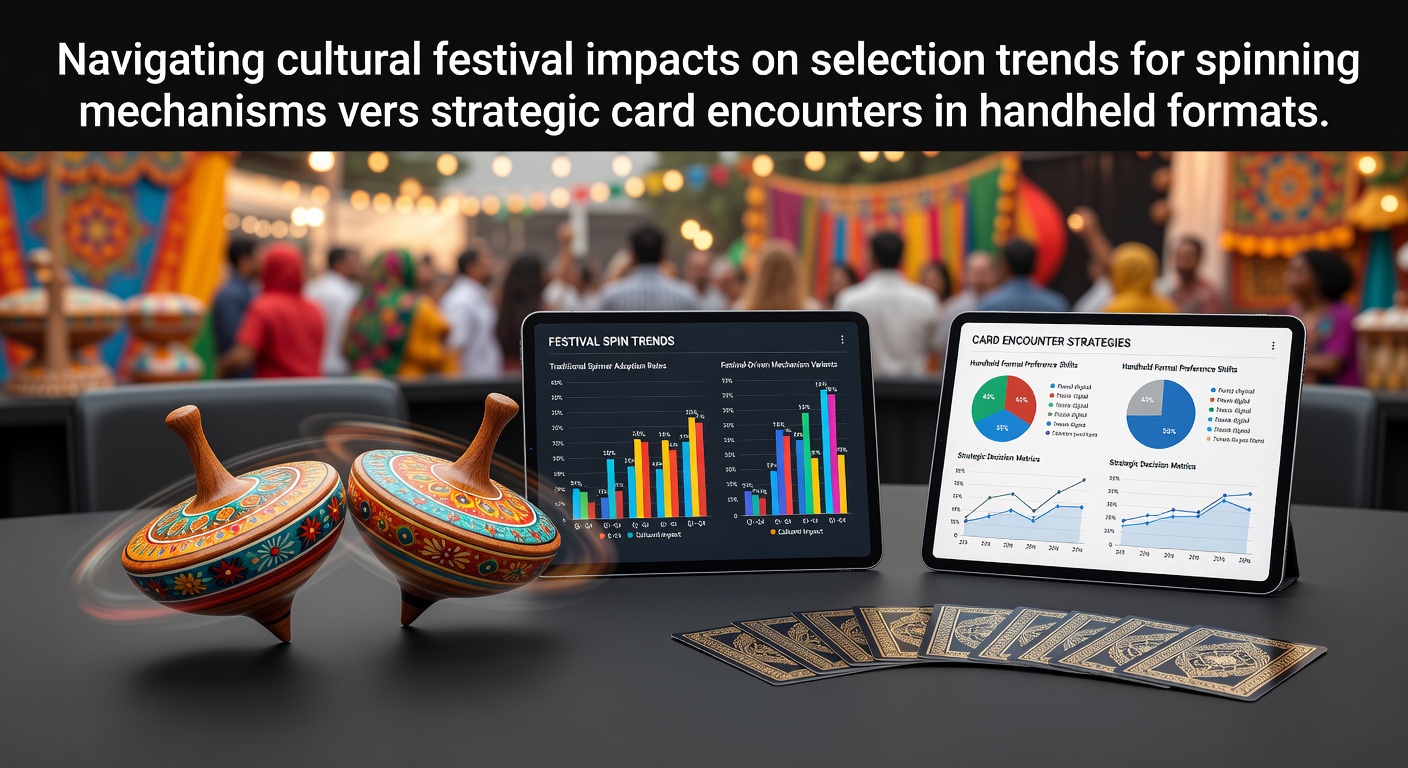
Cultural festivals create measurable shifts in how players approach handheld gaming options, particularly when comparing spinning mechanisms to strategic card encounters. Data from multiple regions indicates that events tied to specific traditions alter selection patterns in mobile formats, with spinning options often gaining traction during high-energy celebrations while card-based games see steadier interest in reflective or competitive settings.
Analyses of usage logs across handheld platforms reveal consistent patterns around major festivals. In periods leading into events like Lunar New Year or Carnival celebrations, spinning mechanisms experience elevated engagement rates in apps that incorporate themed visuals and soundtracks drawn from those occasions. Strategic card encounters meanwhile maintain baseline activity but attract users seeking structured decision sequences rather than rapid visual feedback.
Patterns Observed Across Festival Cycles
Observers tracking mobile gaming metrics note that festival timing influences session lengths and game type distribution. During May 2026, Cinco de Mayo observances in North American markets coincided with increased downloads and playtime for spinning mechanism titles featuring related iconography, whereas strategic card encounters showed growth in regions hosting more subdued cultural gatherings such as certain European heritage weeks. These variations align with broader data compiled by the American Gaming Association on seasonal preferences in digital formats.
Handheld formats amplify these effects because users access content during commutes, breaks, or social gatherings associated with festivals. Spinning mechanisms benefit from quick entry points that fit fragmented time slots common at public events, while strategic card encounters require sustained attention that some players reserve for quieter intervals between festivities.
Regional Variations in Selection Trends
European markets display distinct responses compared to Asian or Australian contexts. Reports from the European Gaming and Betting Association document how Oktoberfest-style autumn events boost spinning mechanism selections in Germany and neighboring countries, yet card encounter usage rises during quieter winter festivals in Scandinavia. Australian data similarly tracks spikes in spinning activity around multicultural events in major cities, with card preferences holding steady in online communities focused on skill elements.
Researchers examining transaction volumes find that festival periods also affect in-app purchase behaviors differently across game types. Spinning mechanisms often pair with short-term promotional bundles tied to cultural themes, whereas strategic card encounters see incremental spending on customization features that persist beyond the event window.
Platform Adaptations and Content Integration
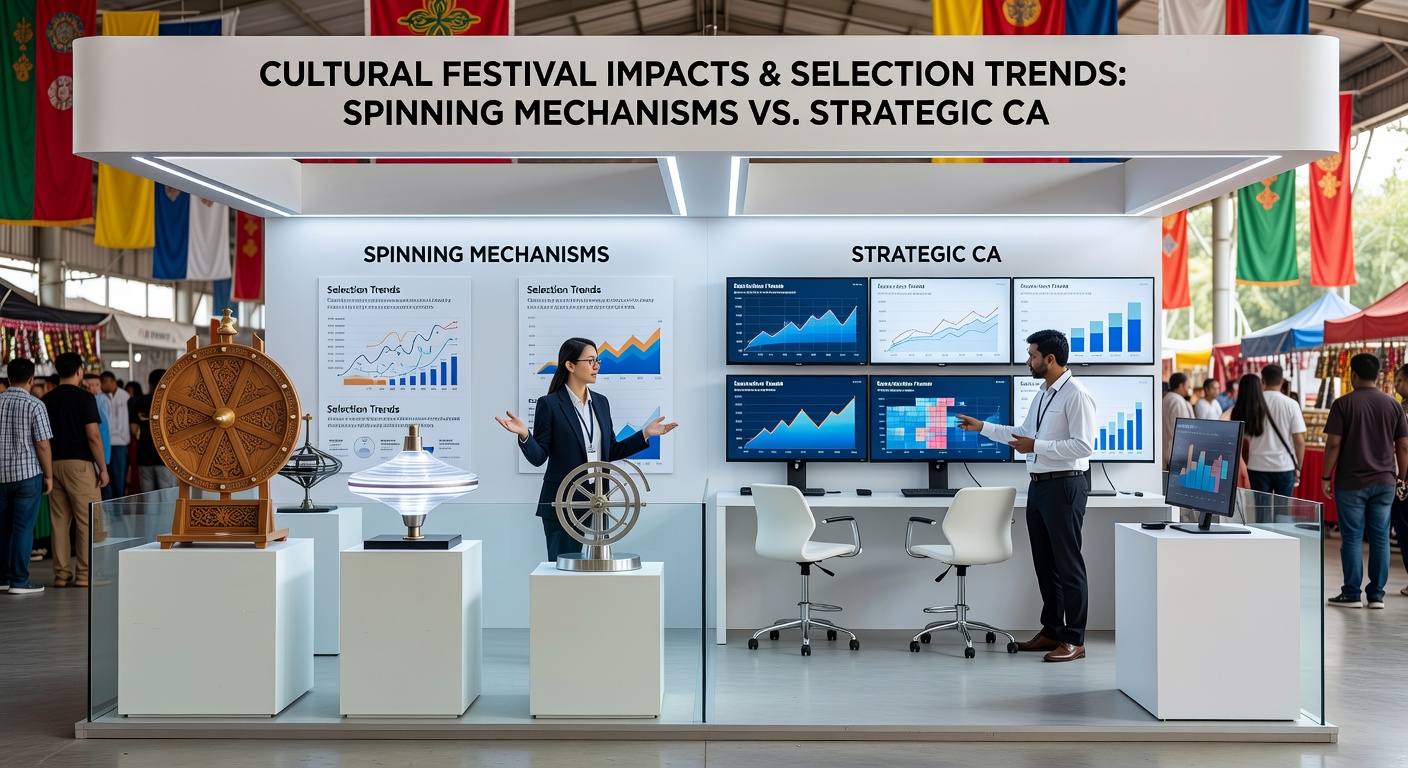
Developers respond to these documented trends by adjusting release schedules and feature sets. Mobile titles incorporating spinning mechanisms frequently launch festival-specific modes that rotate symbols and bonus rounds drawn from local traditions, a tactic that correlates with higher retention during peak cultural periods. Strategic card encounter platforms meanwhile emphasize multiplayer brackets or tournament modes timed to coincide with community events where participants gather around shared cultural milestones.
Studies from academic sources such as those published through university gaming research centers indicate that visual and auditory cues tied to festivals increase session initiation rates for spinning mechanisms more rapidly than for card formats. Card encounters, by contrast, show stronger carryover effects after festivals end, as players who engage with them during slower festival moments continue into regular routines.
Measurement Approaches Used by Industry Analysts
Tracking methodologies rely on anonymized usage data segmented by region and event calendar. Metrics include daily active users, average session duration, and game category switches within single app sessions. These figures reveal that cultural festivals do not uniformly favor one category over the other; instead, they create temporary rebalancing based on the festival's pace and social context. Markets with dense festival calendars experience more frequent oscillations between spinning mechanisms and strategic card encounters.
Regulatory bodies in various jurisdictions compile supplementary reports that cross-reference festival dates with aggregate play data, helping identify whether observed shifts remain within established norms for responsible engagement. Such monitoring provides baseline comparisons across years, allowing identification of recurring patterns without attributing causation to individual titles.
Conclusion
Selection trends in handheld formats during cultural festivals reflect measurable intersections between event timing, game mechanics, and regional practices. Spinning mechanisms and strategic card encounters each occupy distinct positions in these cycles, with data indicating differentiated responses rather than wholesale replacement of one category by teh other. Continued observation through established industry and academic channels supports ongoing refinement of content delivery aligned with documented seasonal movements.