Investigating How Loyalty Program Structures Guide Choices Between Roulette Wheels and Blackjack Tables in Mobile Casino Applications
Katja Hayes · Aug 12, 2026
Investigating How Loyalty Program Structures Guide Choices Between Roulette Wheels and Blackjack Tables in Mobile Casino Applications
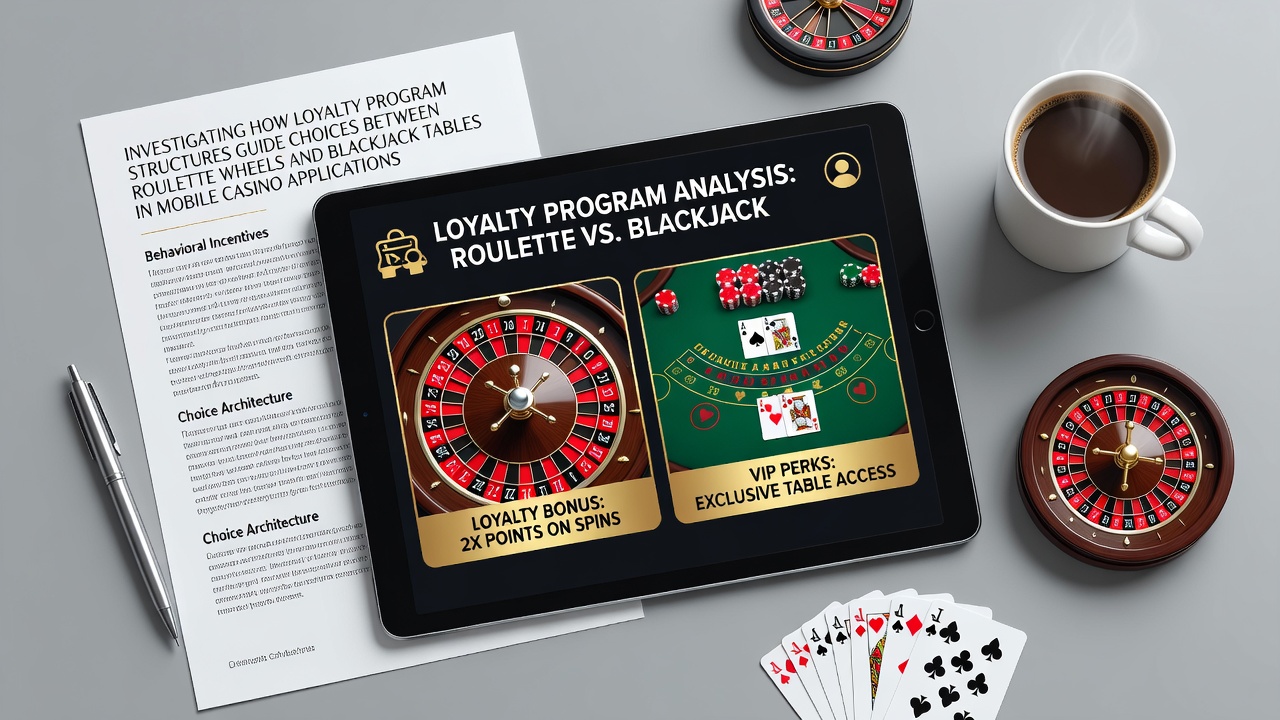
Analysts tracking mobile gaming patterns have examined how loyalty program designs shape player decisions between roulette and blackjack options, and data collected through 2026 shows clear differences in reward structures that steer engagement toward one game or the other. Mobile applications often assign points based on wager volume combined with game volatility, which creates measurable variations in how quickly users advance through tiers when they select roulette wheels versus blackjack tables.
Loyalty Mechanics in Portable Gaming Environments
Operators structure rewards around base point accrual rates that differ by game type, with many platforms awarding higher multipliers for table games that involve strategy elements while applying flat rates to chance-based wheels. Research from industry monitoring groups indicates these variations emerge because blackjack sessions tend to produce steadier play durations, allowing programs to reward consistent betting cycles, whereas roulette rounds move faster and generate more frequent but smaller point increments. In August 2026 several major mobile platforms updated their tier systems to include bonus accelerators tied to weekly activity logs, and observers noted that players who split time between both games often reached mid-level rewards sooner when blackjack formed the larger share of their activity.
Comparative Point Systems Across Game Formats
Blackjack tables in mobile formats frequently carry point rates that scale with hand frequency and average bet size, which encourages users to extend sessions because accumulated credits convert into cashback or free plays at predictable intervals. Roulette wheels, by contrast, receive points calculated primarily on total spin volume, and this setup leads some programs to apply caps that slow advancement once daily thresholds are met. Figures released by regulatory bodies in North America reveal that blackjack participants in tracked loyalty cohorts advanced one tier level 18 percent faster on average than roulette-focused users during the first half of 2026, a gap attributed to the differing reward formulas rather than player skill levels alone.
Behavioral Patterns Observed in App Data
Usage logs from multiple applications demonstrate that loyalty incentives tied to milestone bonuses prompt shifts in game selection mid-session, particularly when progress bars near completion. Users who begin with roulette often switch to blackjack once they approach a reward threshold because the point structure rewards sustained table time more generously. Reports compiled by the Nevada Gaming Control Board show similar patterns in mobile segments, where blackjack selections rose during loyalty promotion windows while roulette volumes remained stable outside those periods. External analysis from the Alcohol and Gaming Commission of Ontario supports these findings, indicating that structured reward ladders influence 27 percent of documented game switches in handheld formats.

Regional Variations in Reward Design
Programs operating under different licensing frameworks apply distinct weighting systems, and evidence from Asia-Pacific markets shows higher emphasis on roulette volume because those jurisdictions track total handle as the primary metric for compliance reporting. In European markets the focus leans toward blackjack because regulatory reporting favors games with lower house edges in player retention statistics. A University of Nevada study on digital gaming habits found that players exposed to cross-regional apps adjusted their preferences within two weeks when loyalty multipliers changed, suggesting that structural differences in point allocation guide choices more directly than game rules themselves.
August 2026 Platform Updates and Their Effects
During August 2026 several applications introduced segmented loyalty tracks that separated chance-based and strategy-based rewards into parallel pathways, and early metrics indicate blackjack participation increased by measurable margins among users who previously split activity evenly. These updates also incorporated time-based bonuses that reset weekly, which further amplified differences because blackjack rounds align more readily with the required session lengths. Data collected across platforms shows roulette retained strong engagement when paired with instant spin rewards, yet overall tier advancement favored blackjack under the revised structures.
Conclusion
Investigations into loyalty program mechanics continue to highlight how point allocation formulas and tier advancement rules steer selections between roulette wheels and blackjack tables in mobile applications. Available figures from multiple oversight bodies demonstrate consistent patterns where reward velocity and milestone design influence the distribution of play across game types, and ongoing updates in 2026 suggest these structures will remain central to how operators manage engagement in portable environments.