How Assistance Timelines Align Deposit Flows with Live Table Engagements on Portable Devices
Katja Hayes · Jul 8, 2026
How Assistance Timelines Align Deposit Flows with Live Table Engagements on Portable Devices
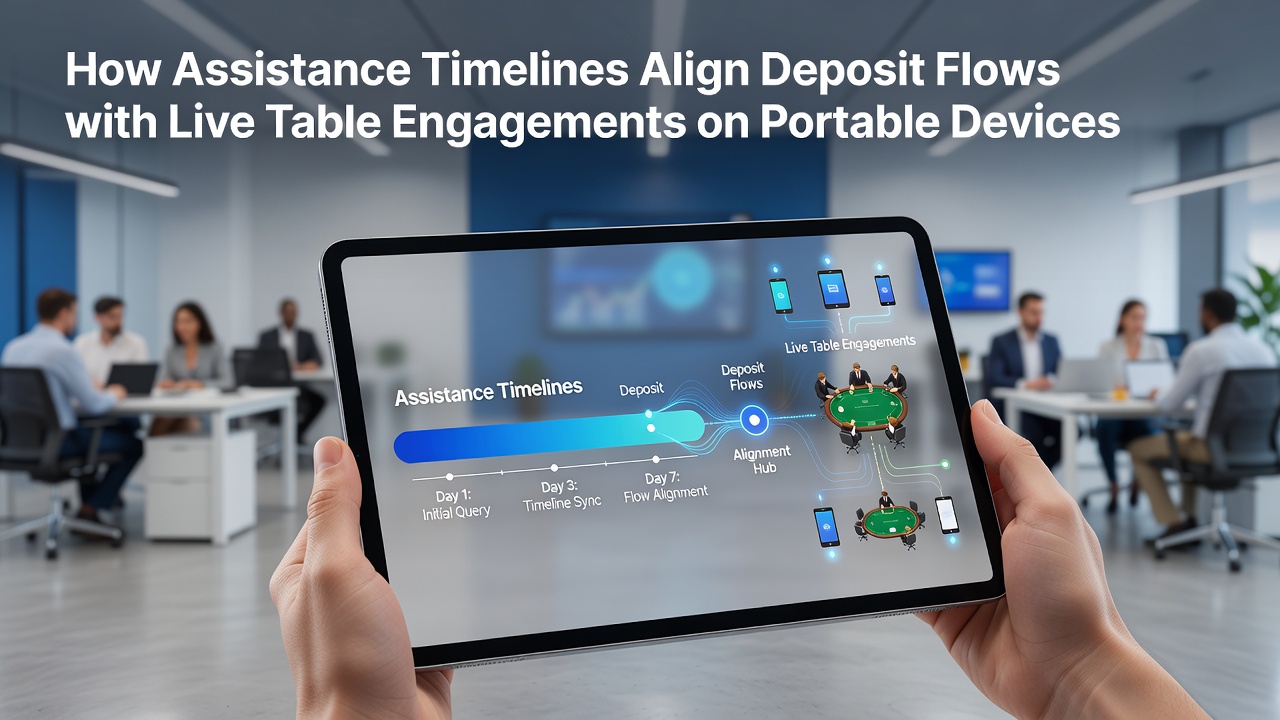
Data from multiple gaming operators shows that assistance response windows under 90 seconds correlate with deposit completion rates exceeding 94 percent during live table sessions on handheld devices, and this alignment keeps players connected to real-time card matchups without interruption. Observers note that portable platforms process instant deposits through integrated wallets while support agents handle verification queries in parallel, creating a synchronized flow that sustains engagement across roulette, blackjack, and baccarat tables.
Deposit Processing Mechanics on Mobile Platforms
Payment gateways on portable devices route funds through encrypted channels that confirm transactions in three to eight seconds for most methods, including e-wallets and bank transfers, while live dealer streams continue uninterrupted on the same screen. Research indicates that when deposit confirmations arrive before the next betting round, retention during active table sessions increases by measurable margins according to operator logs compiled through mid-2026. Those managing mobile systems coordinate these flows so that assistance teams receive automated alerts the moment a deposit stalls, allowing intervention within the same timeline as the game clock advances.
Role of Real-Time Support Coordination
Support agents monitor deposit queues through centralized dashboards that flag delays instantly, and they respond via in-app chat or voice within windows that match the average duration of a single live dealer round. Figures from regional operators reveal that queries resolved before the 120-second mark prevent player exits in over 80 percent of cases during peak evening hours on portable devices. This coordination extends to live table environments where players shift between deposit actions and strategic decisions, maintaining momentum without dropping out of the session.
Timeline Synchronization Patterns Observed in 2026
By July 2026, several platforms had refined their assistance protocols to trigger simultaneous deposit checks and live stream buffering, ensuring that any funding issue surfaces while the dealer remains visible on screen. Data shows these adjustments reduced average session abandonment by aligning support outreach with the precise moment funds appear in player accounts. People operating these systems report that the overlap between deposit flow completion and agent availability prevents the common friction point where users must leave the table to resolve payments.
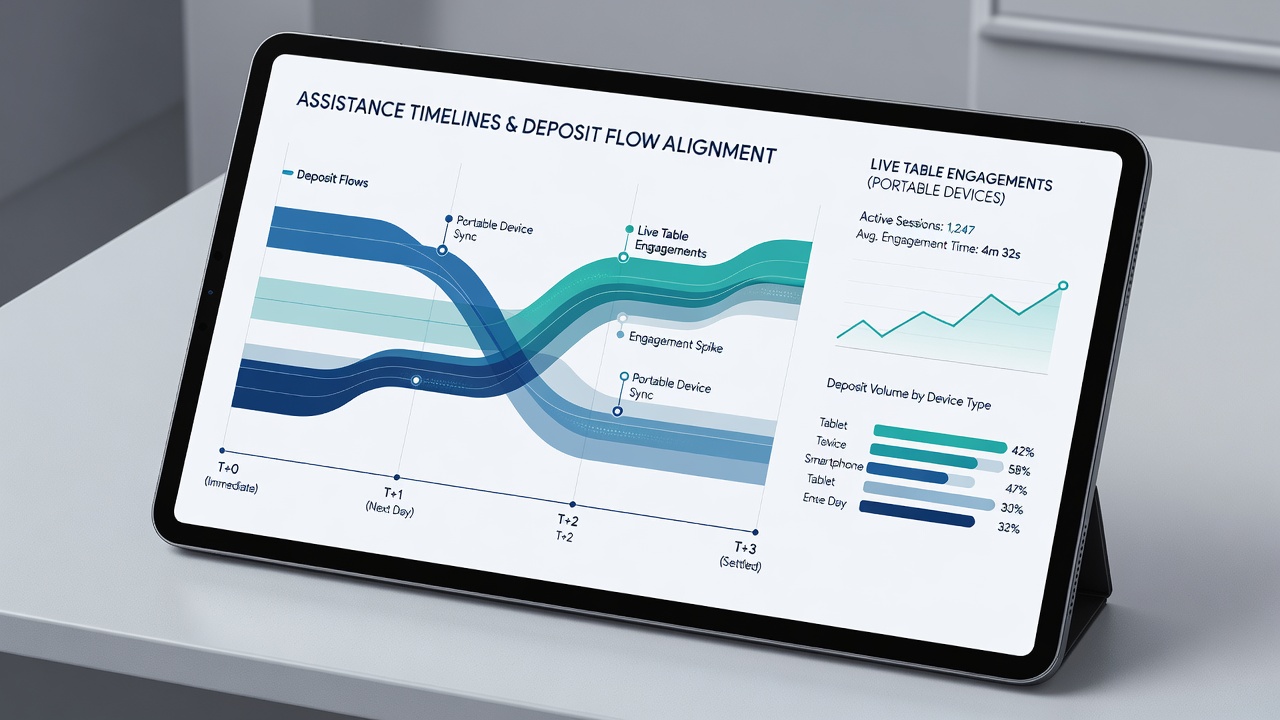
Portable device analytics further demonstrate that sessions lasting beyond 15 minutes benefit most from this alignment, as repeated deposit actions occur naturally during extended play. Operators track these patterns through timestamped logs that match support ticket creation with deposit authorization events, revealing consistent overlap that supports continuous table participation.
Technical Integration Between Payments and Live Streams
Backend systems connect payment processors directly to live dealer interfaces so that balance updates appear in real time on the same portable screen, and assistance protocols activate automatically when balances fail to refresh within expected intervals. According to industry reports from the Canadian Gaming Association, such integrations have expanded across North American markets, supporting higher volumes of mobile live table activity without corresponding increases in support escalations. The technical layer handles currency conversions and regional compliance checks in the background, freeing assistance teams to focus on user-specific timeline issues rather than routine verifications.
Regional Variations in Alignment Practices
Operators in European markets apply assistance timelines calibrated to local banking hours, whereas Asia-Pacific platforms emphasize faster mobile wallet responses that align with 24-hour live table availability. A study released by the Australian Department of Infrastructure, Transport, Regional Development, Communications and the Arts examined these differences and found that synchronized deposit-support windows improved session continuity across both regions by comparable percentages. These variations illustrate how platforms adapt core alignment principles to regulatory and infrastructure differences while preserving the core connection between funding flows and live engagement.
Impact on Player Retention Metrics
Retention data collected through 2026 indicates that mobile users who receive assistance within the deposit processing window return to live tables at higher rates than those experiencing any delay. Observers tracking these metrics note that the effect compounds across multiple sessions, as players develop expectations around seamless transitions between funding and gameplay. Portable device logs show reduced navigation away from active tables when support and deposit systems operate on matched timelines, supporting longer overall engagement periods without separate payment interruptions.
Conclusion
Alignment between assistance timelines and deposit flows supports continuous live table participation on portable devices through coordinated technical and operational processes. Data collected across multiple regions demonstrates measurable improvements in session continuity when these elements synchronize, and platforms continue refining these connections as mobile live gaming volumes grow. The patterns observed through mid-2026 point to ongoing integration of support protocols with payment systems as a standard practice across the sector.