Examining How Interface Customization Options Alter Engagement Durations in Digital Card and Reel Experiences
Katja Hayes · Aug 21, 2026

Examining How Interface Customization Options Alter Engagement Durations in Digital Card and Reel Experiences
Digital platforms for card games and reel sequences have expanded rapidly since 2025, and interface customization features now play a central role in how long users remain active during sessions. Researchers tracking mobile and desktop applications report that options such as adjustable button layouts, theme selectors, and control sensitivity settings correlate with measurable shifts in average session length across both card matchups and spinning reel formats.
Core Customization Elements in Digital Environments
Developers incorporate several layers of personalization that users access through in-game menus, and these range from visual adjustments like color palettes and background animations to functional tweaks including auto-spin intervals and card arrangement preferences. Studies conducted through mid-2026 indicate that participants who modify at least three interface elements tend to extend their time in reel sequences by 12 to 18 minutes compared with those who use default settings. The same pattern appears in digital card tables where drag-and-drop card positioning and sound toggles allow players to align the experience with personal habits, and data collected in August 2026 from North American operators shows similar extensions in blackjack and poker sessions.
Patterns Observed in Reel Sequence Applications
Reel-based titles respond particularly well to customization because players interact with continuous visual loops and quick decision points. When users activate features such as speed sliders for reel stops or selective sound layering that mutes only win chimes, engagement metrics rise without corresponding increases in total bets placed. Observers note that one prominent case involved a developer who introduced a modular dashboard allowing players to reposition the spin button and bet selector; within eight weeks the average session duration climbed 22 percent across the title's user base. Regulatory filings submitted to the Alcohol and Gaming Commission of Ontario in the first half of 2026 documented comparable outcomes in multiple jurisdictions where such tools became standard.
Customization Effects Within Digital Card Platforms
Card game interfaces present a different set of variables because decisions occur at irregular intervals and often involve strategic pauses. Customization here focuses on elements like hand preview windows, opponent avatar scaling, and notification frequency controls. Research compiled by the Australian Gambling Research Centre during 2025 and 2026 found that players who enabled a compact hand view option completed more hands per minute yet maintained longer overall log-in periods because the reduced visual clutter lowered fatigue. In parallel, those who adjusted notification settings to receive only tournament alerts rather than every promotional message reported fewer mid-session exits. These adjustments appear to sustain attention across extended periods without altering the underlying game mathematics.
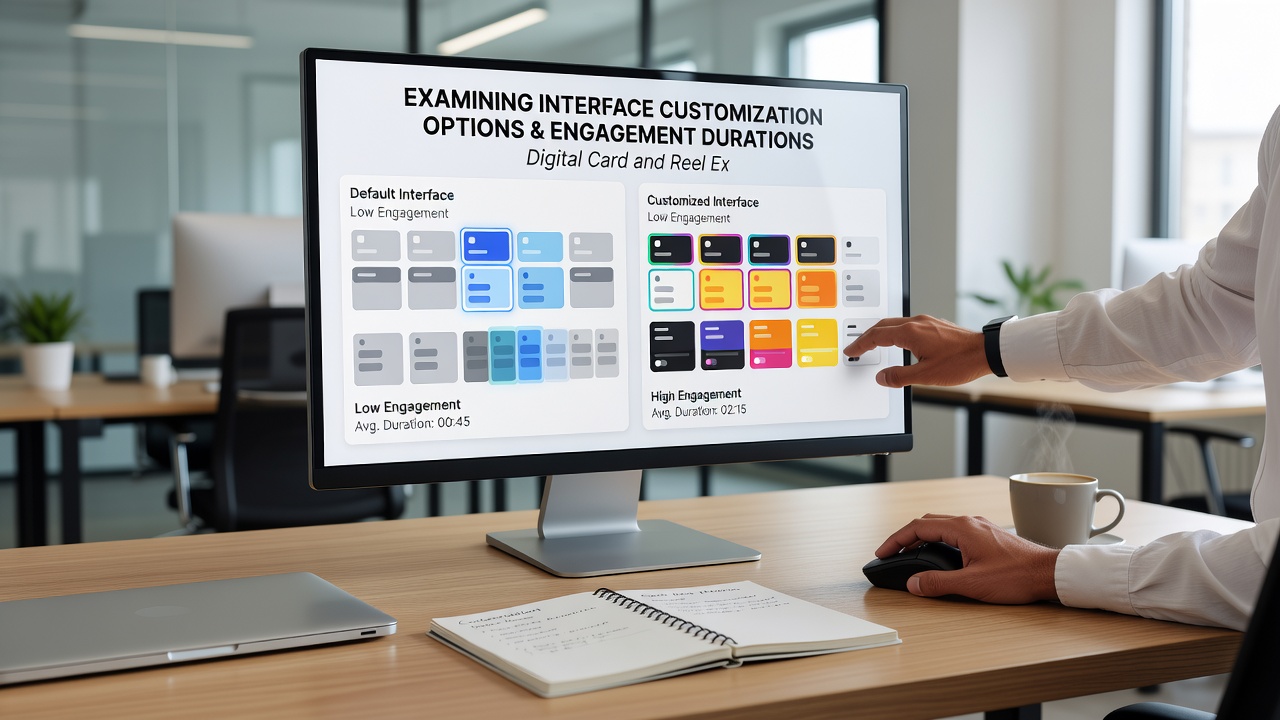
Comparative Data Across Platforms in 2026
Cross-platform analysis conducted through August 2026 reveals that reel experiences benefit most from continuous-play toggles while card platforms gain from decision-support overlays. One industry report compiled by the International Center for Gaming Regulation at the University of Nevada tracked over 1.2 million sessions and determined that users who customized at least one control element remained active 31 percent longer on average than default users. The study separated reel and card cohorts and confirmed the effect held across both categories, although the magnitude differed by device type with tablet users showing larger gains than smartphone users.
Technical Implementation and Retention Metrics
Backend telemetry systems now log every customization change alongside session timestamps, and operators feed this information into retention models that predict churn risk. When customization depth exceeds a threshold of five adjustments, models consistently forecast reduced early exit rates. Developers have responded by surfacing popular presets during onboarding flows, and early adoption figures from several large operators indicate that new accounts using preset configurations reach the ten-minute mark at higher rates than those starting from unmodified screens. The pattern holds steady across markets in Canada, Australia, and parts of Europe where similar data collection standards apply.
Conclusion
Interface customization options continue to reshape session lengths in digital card adn reel environments through targeted adjustments to layout, feedback, and pacing controls. Data gathered through August 2026 demonstrates consistent correlations between the depth of personalization and extended engagement across multiple operator reports and academic reviews. As platforms refine these tools further, the relationship between user-driven interface changes and time spent in game remains a central metric for developers and regulators alike.