Decoding the Connection Between Secure Transaction Protocols and User Retention in Mobile-Enabled Live Gaming Sessions
Theo Wagner · May 24, 2026
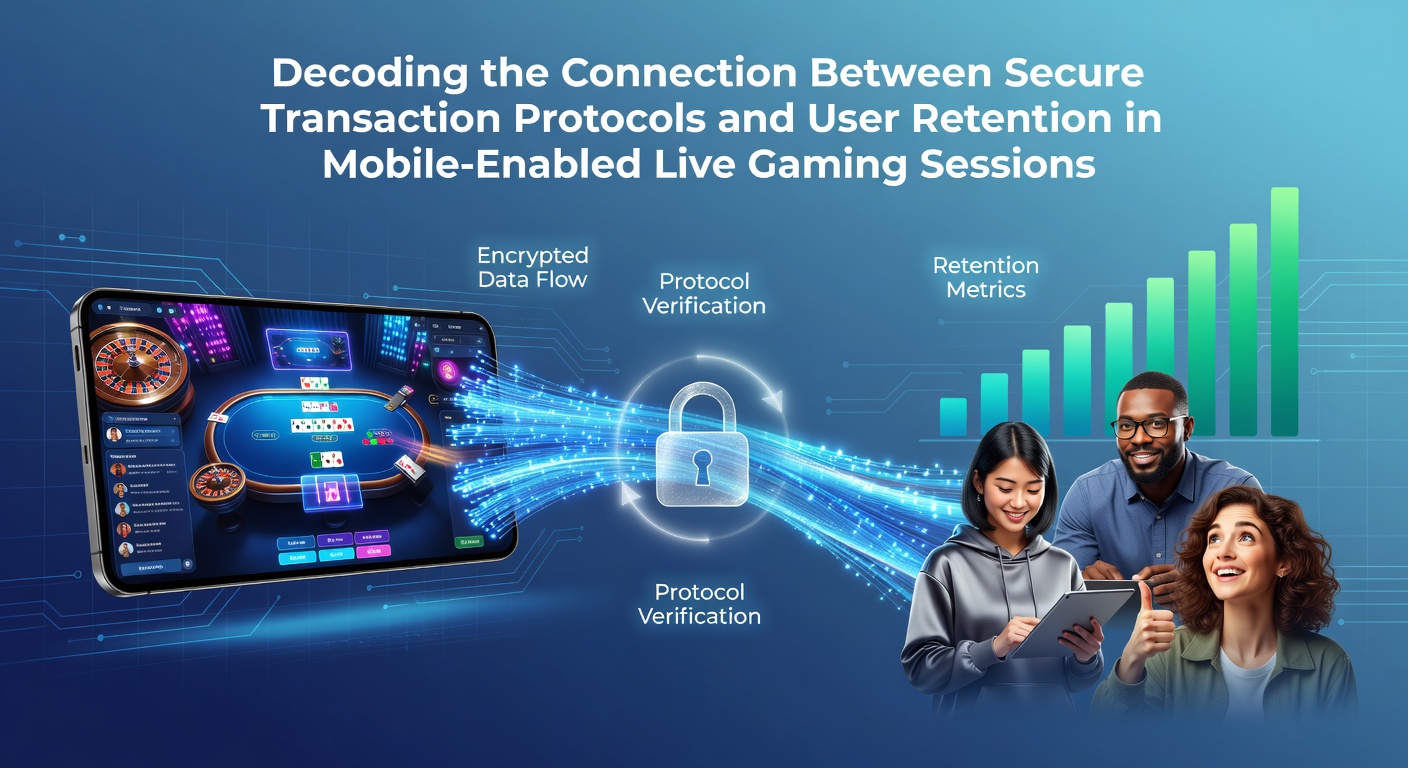
Decoding the Connection Between Secure Transaction Protocols and User Retention in Mobile-Enabled Live Gaming Sessions
Secure transaction protocols form the backbone of trust in mobile-enabled live gaming sessions, where real-time dealer interactions and instant wagers depend on uninterrupted payment flows. Researchers at industry conferences in early 2026 have documented how encryption standards and authentication layers directly influence whether players return for subsequent sessions. Data from multiple operators shows that platforms implementing advanced protocols experience measurable differences in session frequency and account longevity compared to those with basic measures.
Core Elements of Secure Transaction Protocols in Live Gaming
Transaction protocols in this space typically combine Transport Layer Security versions 1.3 and higher with tokenization methods that replace sensitive card details during mobile checkouts. Payment Card Industry Data Security Standard compliance remains mandatory for any operator handling live table stakes, yet variations in implementation create distinct outcomes. Experts note that multi-factor authentication tied to device biometrics reduces unauthorized access attempts by significant margins, according to findings presented at the 2026 iGaming Security Summit.
Live gaming adds complexity because sessions involve continuous micro-transactions for bets and tip functions alongside larger deposits. Protocols must handle these without introducing latency that disrupts the dealer-player connection. When encryption handshakes occur seamlessly in the background, players complete actions without noticing the security layer at work, and this fluidity contributes to extended play periods.
Retention Patterns Linked to Security Infrastructure
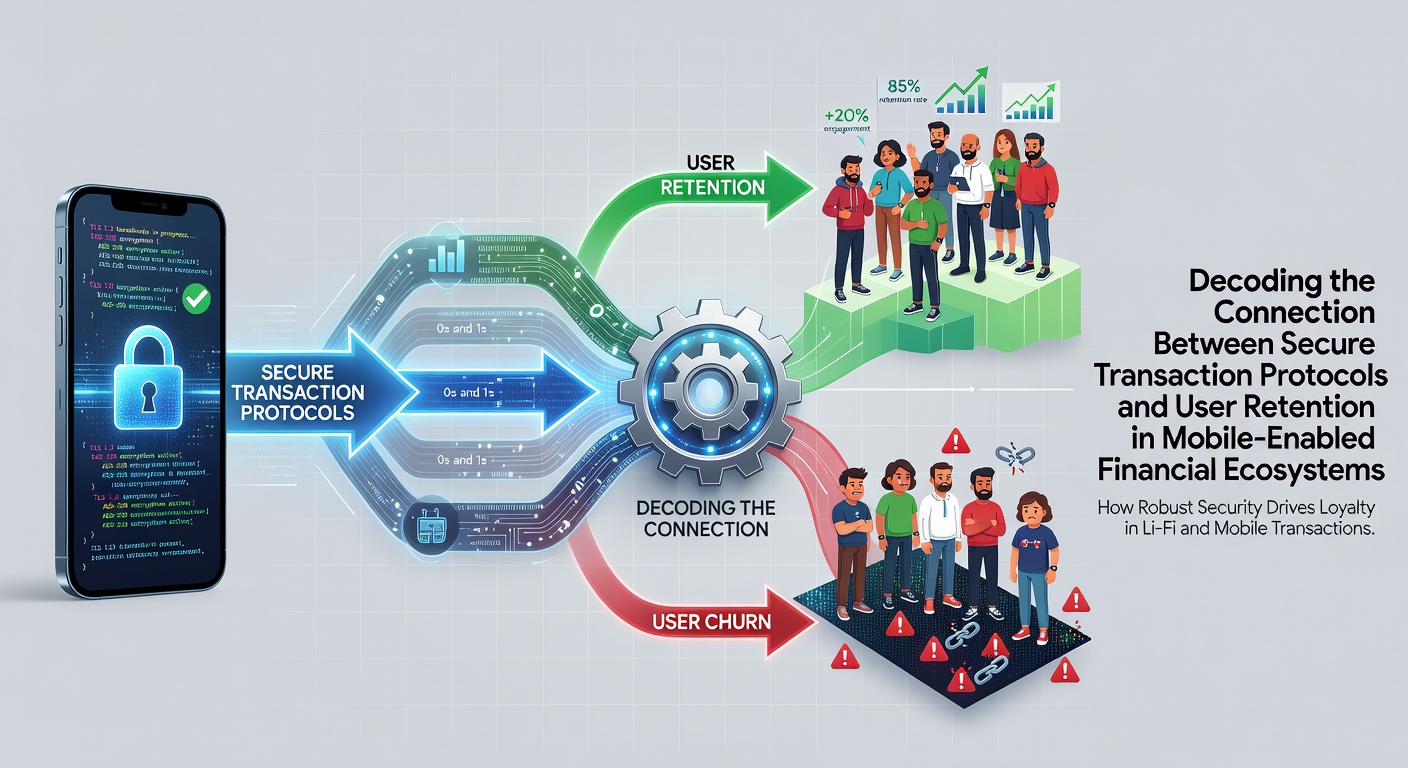
Studies tracking user behavior across several hundred thousand mobile accounts reveal that accounts protected by robust protocols show lower churn rates over six-month windows. One analysis released in May 2026 by a North American gaming research consortium indicated that retention improved by double-digit percentages when operators upgraded from legacy SSL configurations to current standards that include forward secrecy. Those who've examined the datasets point out that players who encounter a single failed or flagged transaction often reduce activity or migrate elsewhere within weeks.
Mobile-Specific Factors Amplifying the Effect
Smartphone environments introduce variables such as network switching between Wi-Fi and cellular data that can expose vulnerabilities if protocols lack proper session persistence. Developers who integrate certificate pinning and runtime application self-protection report fewer drop-offs during live roulette or blackjack rounds. Observers note that users on iOS and Android platforms respond differently to security prompts, with biometric verification leading to higher completion rates for deposits mid-session.
Geographic differences also appear in the data. Canadian regulatory reports from the Alcohol and Gaming Commission of Ontario highlight how mandatory security audits correlate with sustained player bases in provincially licensed apps. Meanwhile, Australian research published through university-affiliated gaming labs shows similar trends where end-to-end encryption adoption aligns with longer average account lifespans. These patterns hold even when controlling for game variety and promotional activity.
Industry Data and Observed Correlations
Figures compiled by the American Gaming Association in its 2026 digital trends overview connect protocol strength to repeat engagement metrics across mobile live offerings. Accounts using tokenized payments demonstrate higher lifetime value because fewer interruptions occur during cash-in sequences. One documented case involved an operator that migrated its entire mobile live suite to a new protocol suite in Q1 2026, after which monthly active users stabilized rather than declining as seen in prior periods.
Regulatory bodies in other regions add further context. The Malta Gaming Authority's compliance reviews emphasize that operators meeting elevated encryption benchmarks face fewer player complaints related to transaction disputes, which indirectly supports retention by preserving account trust. Academic papers from European institutions have examined similar datasets and reached parallel conclusions about the role of protocol robustness in sustaining engagement through live mobile channels.
Conclusion
Secure transaction protocols and user retention in mobile-enabled live gaming sessions demonstrate measurable interconnections through operational data and regulatory observations. Upgrades in encryption, authentication, and compliance frameworks consistently appear alongside improved retention indicators when tracked over time. As mobile live formats continue expanding, the technical foundation supporting every deposit and withdrawal remains central to whether sessions translate into ongoing participation.