Deciphering verification velocity impacts on incentive cycling across portable spin sequences and table matchups
Otto Zimmermann · May 29, 2026
Deciphering verification velocity impacts on incentive cycling across portable spin sequences and table matchups
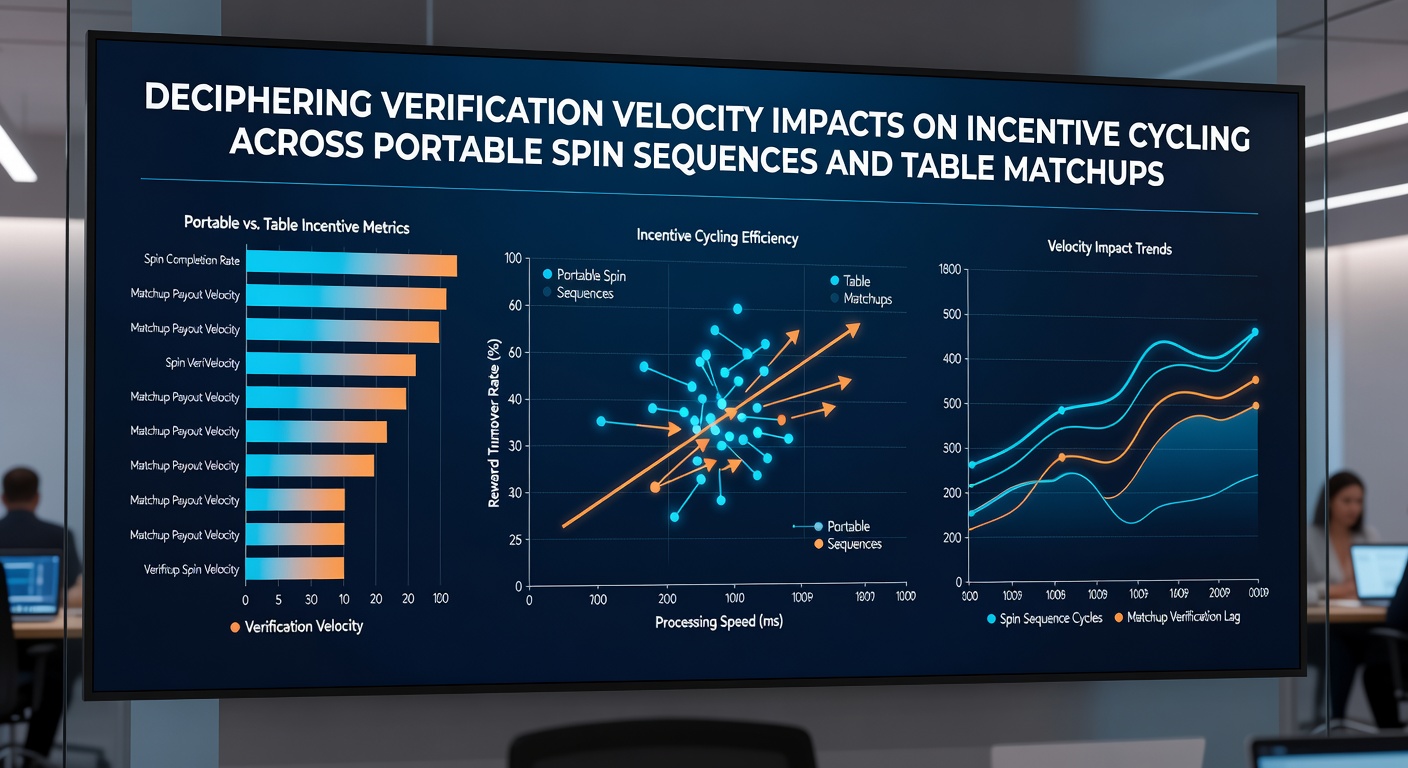
Verification velocity refers to the speed at which online platforms complete identity and compliance checks before players access promotional incentives, and this metric directly shapes how bonus cycles unfold in mobile slot sequences alongside live table matchups. Platforms process documents, facial recognition data, and payment confirmations at varying rates, which in turn determines when users can begin wagering on portable spin sequences or join digital blackjack and roulette tables. Research from the American Gaming Association shows that faster verification windows often align with shorter incentive redemption periods, creating tighter loops between deposit confirmation and active play across both slot reels and card-based matchups.
How verification speed shapes bonus activation timelines
Operators track verification velocity through automated systems that flag and clear accounts within minutes or hours, and data from the New Jersey Division of Gaming Enforcement indicates average processing times dropped below 15 minutes for 68 percent of mobile registrations in early 2026. When checks clear rapidly, incentive cycling begins sooner, allowing players to apply welcome bonuses to initial spin sequences on phones or tablets while simultaneously seating at virtual tables for matched play. Slower verification stretches the gap between sign-up and first wager, which can delay bonus conversion rates and alter how operators structure wagering requirements across reel spins and table rounds.
Portable spin sequences benefit from quick verification because mobile users expect instant access to free spins or deposit matches, whereas table matchups require additional layers such as location verification for regulated markets. Observers note that platforms integrating real-time document scanning reduce friction in both categories, leading to higher completion rates for incentive cycles that combine slots play with table game contributions toward playthrough targets.
Regional patterns in verification processes and gaming cycles
European operators following directives from the Malta Gaming Authority reported verification velocity improvements after implementing cross-border data sharing protocols in 2025, which cut redundant checks for returning users engaging in mobile spins and table sessions. These changes shortened the time between bonus claim and active cycling, particularly for players alternating between quick reel spins on commutes and longer table matchup sessions at home. In contrast, certain North American jurisdictions maintain stricter manual review steps that extend timelines, affecting how incentives distribute across different game types.
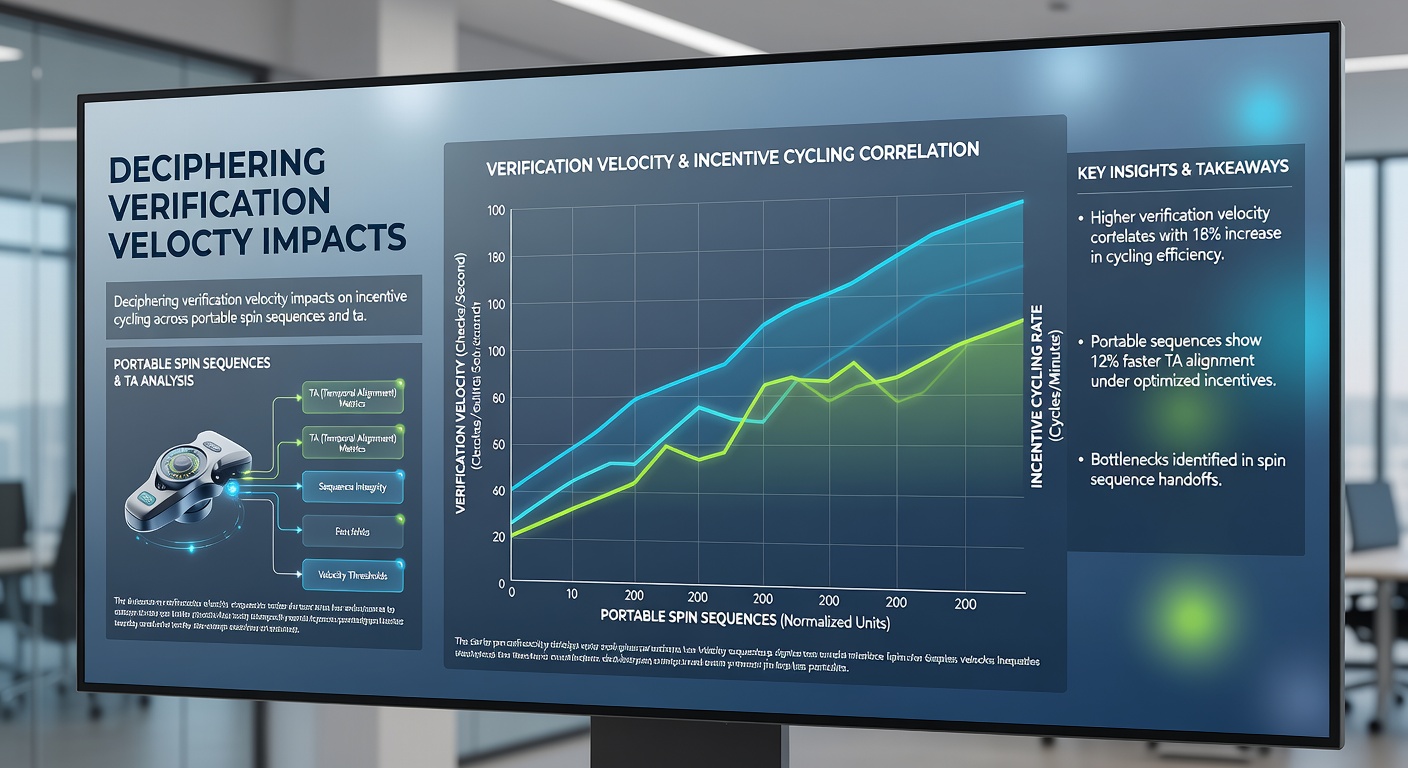
One study from the University of Nevada Reno Gaming Research Center found that verification delays exceeding 45 minutes correlated with a 22 percent drop in bonus activation for table games compared to slot sequences, because mobile users often abandon slower processes when switching between device-based spins and live dealer interfaces. Platforms responding with tiered verification levels now allow limited incentive use on spins while full table access awaits deeper checks, creating segmented cycling patterns that operators monitor through session analytics.
Impacts on player behavior across game formats
Players engaging portable spin sequences tend to complete verification faster when platforms offer progressive access, such as instant low-stake spins after basic checks followed by full table matchups once identity confirms. Figures from the Canadian Gaming Association reveal that such staged approaches increased overall incentive redemption by 31 percent in Q1 2026, with mobile slot cycles showing quicker turnover than combined slot-and-table paths. Those who've examined transaction logs note that verification velocity influences deposit frequency, because users who clear checks in under ten minutes often trigger multiple bonus cycles within a single session across both game categories.
Table matchups introduce additional variables since many platforms require real-time geo-location alongside identity verification, extending the path to incentive eligibility compared to straightforward reel spins. In May 2026 several operators adjusted their systems to batch these checks, reducing average wait times and allowing smoother transitions between spin sequences and table play while maintaining compliance standards. Data indicates these adjustments helped stabilize cycling rates, particularly during peak evening hours when mobile traffic spikes.
Technological factors driving velocity changes
Artificial intelligence tools now handle initial document matching and biometric comparisons, which has accelerated verification across regions and enabled more fluid incentive cycling in both portable and table environments. Operators adopting these tools report fewer manual interventions, allowing bonuses tied to spin sequences and table matchups to activate within consistent windows. What's interesting is how integration with banking APIs further speeds payment-linked verification, directly tying deposit speed to the start of wagering cycles on mobile devices.
Security protocols remain central, yet platforms balance them against user retention goals by refining velocity without compromising regulatory requirements. Reports compiled by the Australian Communications and Media Authority highlight that balanced approaches maintain compliance while supporting higher volumes of incentive-driven play across slot and table formats.
Conclusion
Verification velocity continues to influence how incentive cycles operate across portable spin sequences and table matchups, with measurable effects on activation speed, player retention patterns, and platform design choices. As systems evolve through 2026, operators track these metrics to align compliance processes with user expectations in mobile gaming environments. The interplay between check speed and bonus cycling remains a key operational focus for regulated markets worldwide.