Customer Service Channels Shaping Promotion Lifecycles in Handheld Table Simulations
Anna Perry · Jun 7, 2026
Customer Service Channels Shaping Promotion Lifecycles in Handheld Table Simulations
Handheld table simulations have grown into a significant segment of mobile gaming applications, where customer service channels interact directly with the timing and duration of promotional offers. Research from industry analysts shows that support options such as in-app chat, email ticketing, and integrated social messaging affect how quickly promotions activate, remain available, and conclude for users engaged in virtual blackjack, poker, and roulette formats. Data collected through app analytics platforms indicates these channels create measurable differences in promotion visibility and redemption rates across device sessions.
Primary Customer Service Channels in Mobile Table Environments
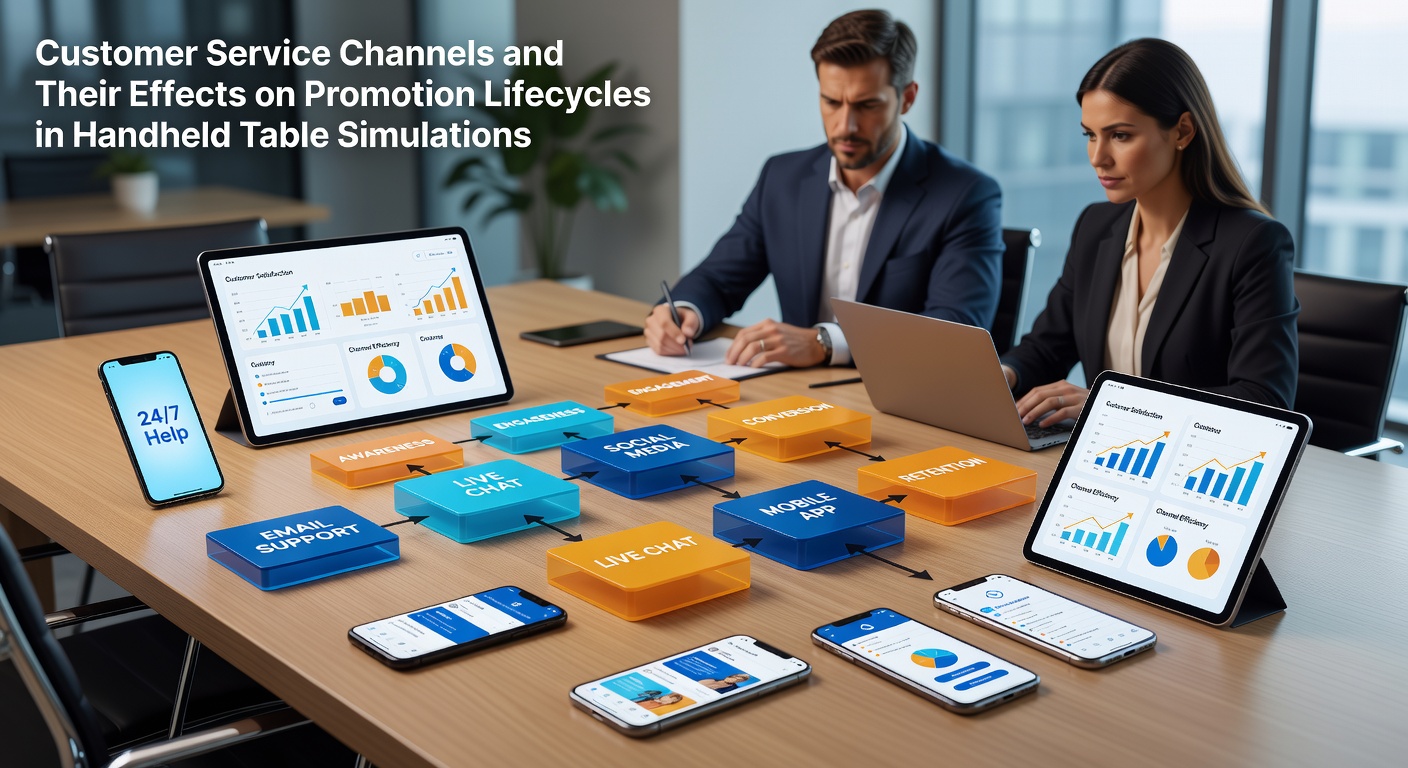
Developers of handheld table simulations deploy several support pathways that users access during active play. In-app messaging systems allow immediate queries about current bonus structures, while email support handles follow-up details on expired incentives. Social media integrations route questions through platform accounts where operators post updates on limited-time multipliers or cashback periods. Observers note that each channel operates with distinct response protocols that influence the pace at which promotional information reaches players.
Studies conducted by mobile analytics firms reveal that chat-based assistance often resolves queries within minutes, enabling users to act on time-sensitive offers before they cycle out. Email responses, by contrast, introduce delays that can extend beyond twenty-four hours, sometimes causing players to miss the active window of a particular promotion. Those monitoring user behavior patterns have documented how social messaging threads generate public discussions that extend the perceived lifespan of certain incentives through shared information.
Promotion Lifecycle Stages in Handheld Simulations
Promotions in these simulations follow defined stages that include announcement, activation, maintenance, and expiration. Announcement occurs when operators push notifications or display banners highlighting new reward tiers for table game achievements. Activation begins once users complete required actions such as deposits or play volume thresholds. Maintenance covers the ongoing period where users can redeem benefits, and expiration marks the automatic removal of the offer from the interface.
Figures from platform performance reports show that the maintenance phase typically lasts between seven and thirty days depending on the promotion type. Shorter cycles appear in multiplier events tied to specific table variants, whereas longer periods accompany loyalty point accumulations. Researchers tracking these timelines have found that support channel efficiency correlates with how smoothly users progress through each stage without interruption.
Effects of Support Channels on Promotion Timing
Chat functions integrated into handheld table simulations allow operators to adjust promotion parameters in real time based on incoming user questions. When multiple players inquire about unclear terms, support teams often issue clarifications that extend the active window slightly to accommodate additional redemptions. Email channels, however, create documentation trails that lock promotion rules earlier, reducing flexibility once the cycle starts.
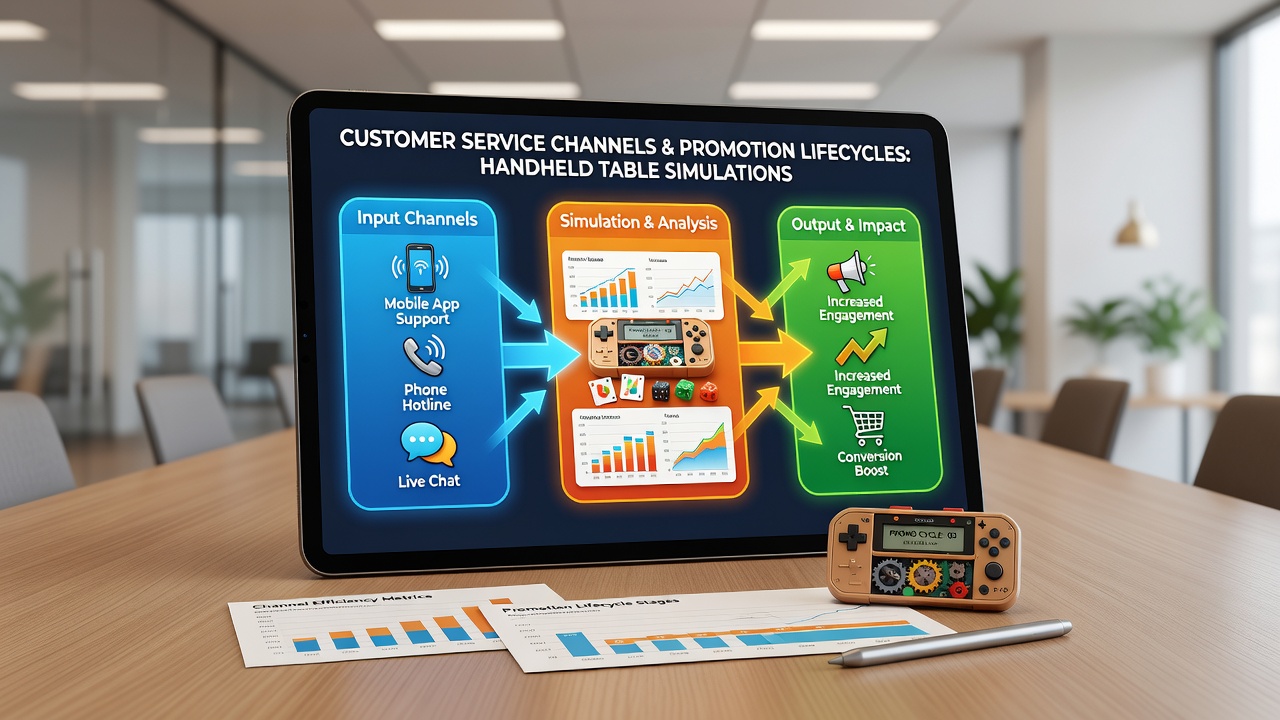
Industry data compiled through June 2026 indicates that simulations employing faster-response channels experience higher completion rates during the maintenance phase. A report issued by the New Jersey Division of Gaming Enforcement highlights how streamlined support contributed to consistent redemption patterns in regulated mobile environments. Meanwhile, academic analysis from Australian university researchers demonstrates that slower channels can compress the effective lifecycle by limiting user awareness of remaining time.
Regional Variations and Channel Integration Patterns
Operators in different markets combine service channels differently based on regulatory requirements and user preferences. North American platforms frequently emphasize in-app chat paired with automated FAQs to address promotion questions, whereas European developers incorporate more social messaging options that comply with regional data standards. These combinations produce distinct effects on how long promotions remain visible before expiration triggers.
Evidence collected from app store performance metrics shows that integrated channel approaches reduce instances where users encounter expired offers after attempting redemption. The Canadian Gaming Association has published summaries noting that coordinated support across chat and email sustains higher engagement levels throughout the full promotion cycle in mobile table formats.
Measurement of Channel Impact Through Performance Metrics
Analytics tools embedded in simulation applications track metrics including query resolution time, promotion redemption frequency, and session continuation rates after support interactions. These measurements allow operators to identify which channels extend or shorten specific lifecycle stages. Data indicates that platforms optimizing chat response speeds see measurable increases in repeat participation during maintenance periods.
External links to regulatory summaries provide additional context. One analysis from the New Jersey Division of Gaming Enforcement examines support efficiency across mobile gaming applications, while another from the University of Sydney's gambling research unit explores lifecycle patterns in digital table environments. Observers reviewing these sources note consistent patterns where responsive channels align with longer active promotion windows.
Conclusion
Customer service channels function as active components within the promotion structures of handheld table simulations. Their response speeds and integration methods shape how announcements convert into activations and how maintenance periods conclude. Ongoing data collection through mid-2026 continues to map these relationships across varied regulatory landscapes, revealing connections between support infrastructure and the operational flow of incentives in mobile gaming applications.