Charting Multiplier Layers: How Layered Boost Features Extend Engagement Cycles Across Virtual Reel Sequences and Card Matchups
Otto Zimmermann · May 22, 2026
Charting Multiplier Layers: How Layered Boost Features Extend Engagement Cycles Across Virtual Reel Sequences and Card Matchups
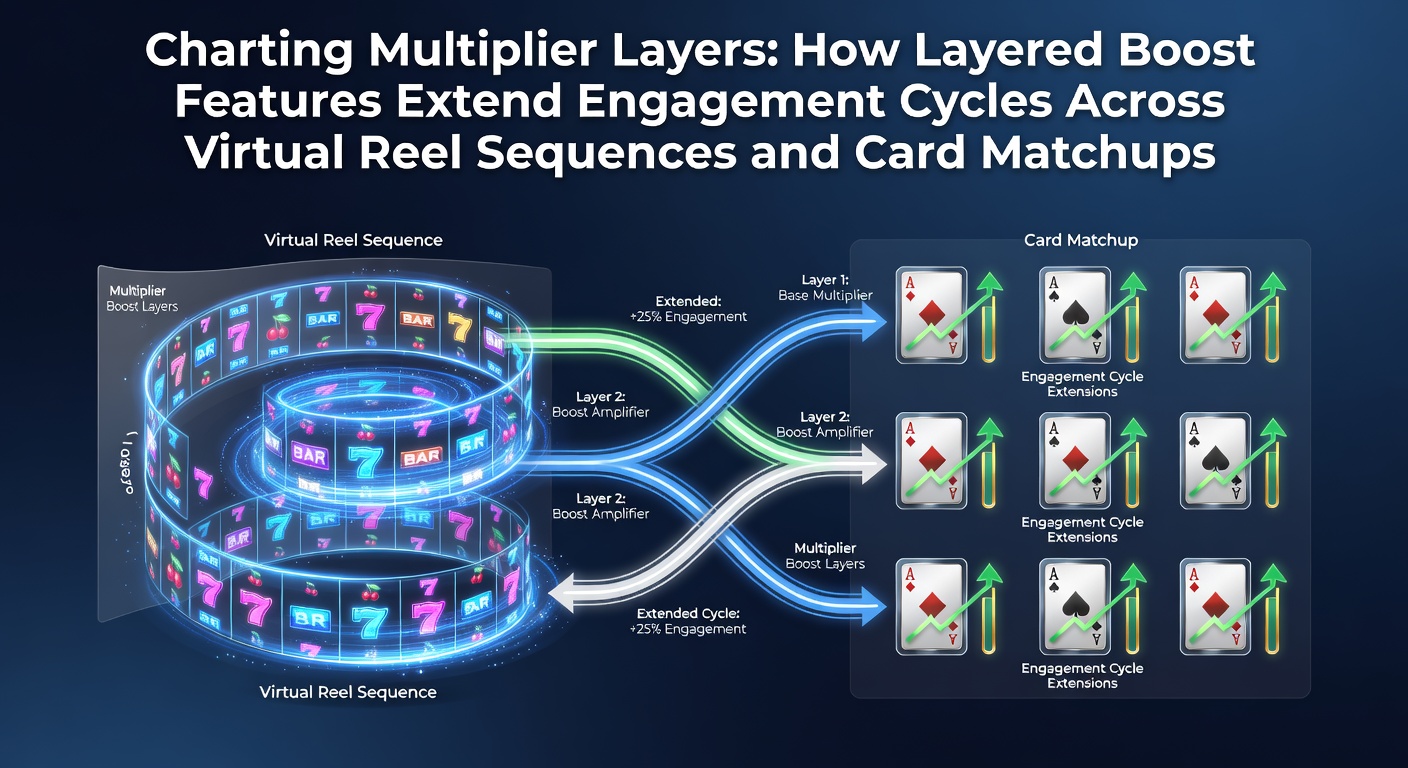
Developers have refined multiplier layers in virtual reel sequences so that base wins trigger secondary and tertiary boosts without resetting the cycle, and this structure keeps players in extended sequences of spins while card matchups incorporate similar stacking mechanics to prolong rounds in table game variants. Data from industry monitoring shows that these layered systems appeared in multiple releases throughout early 2026, with further refinements noted by May of that year as studios adjusted payout tables and feature triggers to maintain session length across both reel and card formats.
Mechanics of Layered Boosts in Reel Sequences
Virtual reels operate through random number generators that determine symbol alignment, yet multiplier layers add successive value multipliers once an initial combination lands, and these layers activate in sequence rather than in isolation. A primary multiplier might apply to the base win, after which a secondary boost engages if specific scatter symbols remain on the screen, while a tertiary layer can extend the feature when wilds expand across additional reels. Observers note that this chaining prevents immediate cycle termination because each successful alignment feeds directly into the next calculation instead of returning to the base state, and game logs from several platforms indicate average session durations increase when three or more layers remain available before the feature concludes.
Studios program these layers with distinct trigger thresholds, so an initial two-symbol match might unlock a 2x boost, yet the same sequence requires three symbols for the next 3x layer to engage, and additional wild expansions can push the total multiplier higher still. Research from academic sources tracking player behavior patterns reveals that retention metrics rise when the interface displays pending layers in real time, allowing participants to see remaining opportunities before the reels stop. In May 2026 updates, several titles introduced variable layer depths that scale with bet size, which means higher stakes unlock deeper boost stacks while lower stakes cap the sequence earlier to balance volatility across user groups.
Extending Engagement Through Sequential Activation
Engagement cycles lengthen because each layer completion carries visual and auditory cues that signal continuation, and these cues maintain attention across multiple reel spins without requiring separate bonus entries. When a primary multiplier resolves, the system evaluates carry-over elements such as sticky wilds or collected tokens, then applies the next boost value automatically, and this automation reduces downtime between decisions. Figures from platform analytics providers demonstrate that titles employing four-layer maximum stacks record 18 to 22 percent longer average play intervals compared with single-multiplier designs, particularly in sequences where mid-layer triggers occur at frequencies above 12 percent of spins.
Take one development team that adjusted layer probabilities mid-year, shifting the tertiary trigger rate from 7 percent to 9 percent while keeping the base hit rate constant, and the adjustment produced measurable extension in reel cycles without altering overall return-to-player percentages. Such tweaks illustrate how designers balance mathematical fairness against sustained interaction, and similar modifications appeared in several May 2026 patches released across North American and European servers.
Application in Card Matchups and Hybrid Formats
Card matchups incorporate layered boosts through progressive multipliers applied to side bets or post-deal decisions, so an initial pair match in video poker variants might activate a 1.5x layer, after which community card alignments can stack additional multipliers if the hand qualifies for further stages. Developers integrate these systems into hybrid games that combine reel spins with card reveals, and the layered structure allows a single session to transition from reels to cards while preserving accumulated boost values. Reports compiled by the Australian Gambling Research Centre indicate that hybrid titles released in 2025 and refined through 2026 recorded higher completion rates for full multiplier stacks when card phases followed immediately after reel sequences rather than as separate modes.
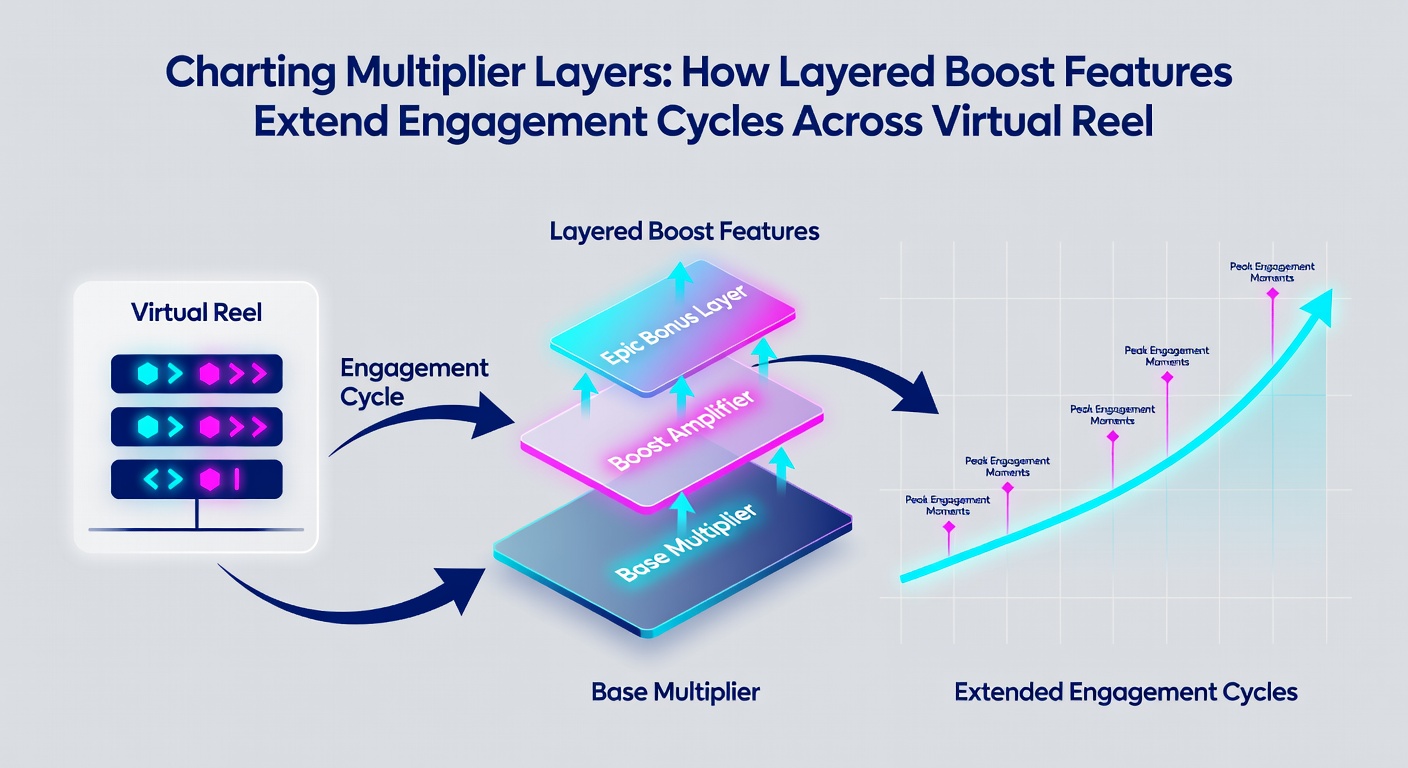
Layer progression in card formats often ties to decision timing, where players who hold rather than draw certain cards preserve the current boost level for the next evaluation round, and this preservation mechanic encourages deliberate pacing across multiple hands. Data compiled by the Nevada Gaming Control Board shows that video poker variants with three-layer multiplier systems maintained consistent hand volumes per session in the first quarter of 2026, with notable stability in May when operators introduced temporary layer-extension events tied to loyalty thresholds. These events function by granting temporary access to an extra boost tier, extending the cycle without changing base rules.
Integration Patterns Across Platforms
Platform operators deploy layered boost features through modular code frameworks that allow the same multiplier engine to govern both reel sequences and card evaluations, reducing development overhead while ensuring consistent behavior across device types. Mobile clients display layer progress through compact progress bars that update after each resolution, whereas desktop versions expand the same information into detailed side panels, and both presentations draw from identical backend calculations. Industry associations tracking software adoption note that by May 2026 over 60 percent of new titles incorporated at least two stacked boost layers as standard, reflecting a shift away from isolated multiplier events toward chained systems.
Cross-format compatibility also appears in live-streamed environments where virtual reels feed into card matchups mid-session, and accumulated multipliers transfer without interruption when the interface switches modes. This transfer maintains engagement momentum because players do not lose progress when moving between game types, and technical specifications released by major providers confirm that latency remains under 200 milliseconds for boost value handoffs on standard connections.
Conclusion
Layered multiplier systems now form a core component of engagement design in both virtual reel sequences and card matchups, with sequential activation mechanics extending play cycles through chained boosts and preserved values across transitions. Data collected through 2026 demonstrates measurable impacts on session length when layers reach three or more stages, and refinements introduced in May of that year refined trigger rates and display methods to sustain these effects across diverse platforms. Observers continue to monitor how developers adjust layer depths in response to performance metrics while maintaining regulatory compliance in multiple jurisdictions.