Charting Dealer Personalization Effects on Incentive Utilization Patterns Across Handheld Reel and Card Interfaces
Otto Zimmermann · Jul 29, 2026
Charting Dealer Personalization Effects on Incentive Utilization Patterns Across Handheld Reel and Card Interfaces
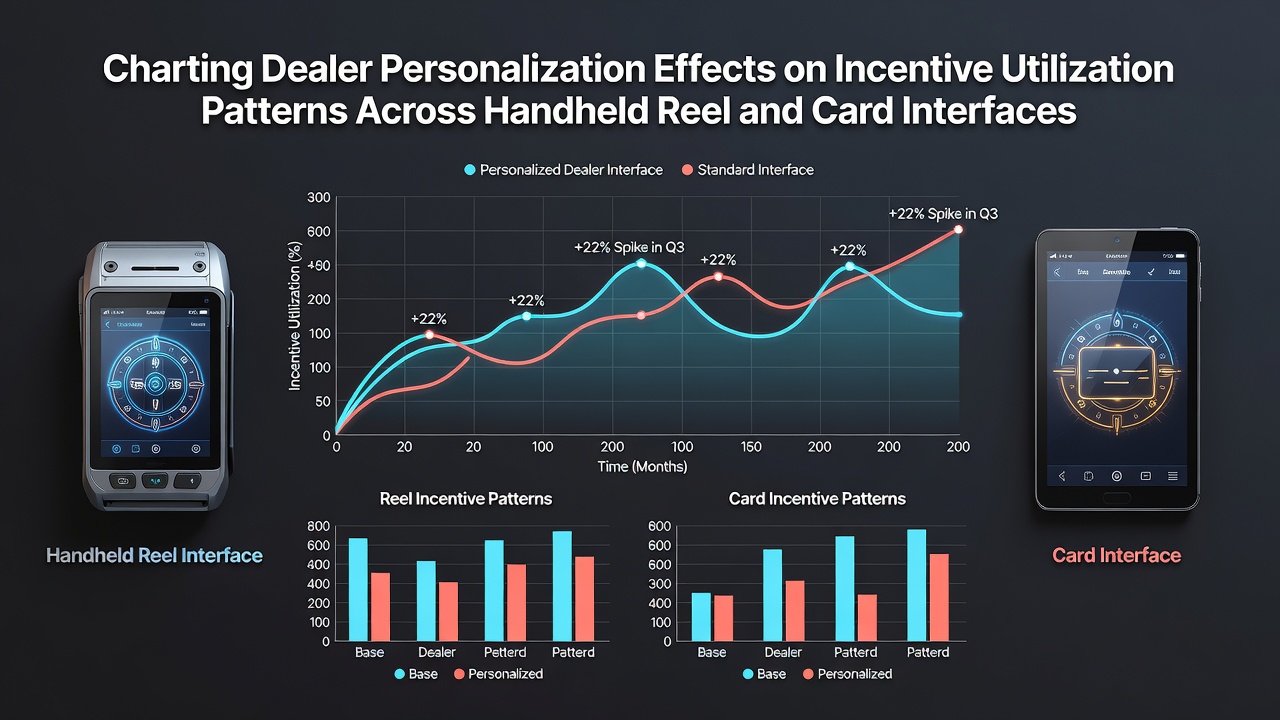
Analysts tracking mobile gaming platforms in 2026 have mapped how dealer personalization features influence the way players apply promotional incentives across reel-based slots and card table simulations on handheld devices. Data compiled from multiple operators shows distinct patterns in bonus redemption rates when users select customized dealer avatars or interaction styles that match their preferences for visual presentation and conversational tone.
Studies released in July 2026 by industry research groups indicate that players engaging with tailored dealer elements complete incentive cycles at higher volumes in both reel sequences and strategic card matchups. These patterns emerge because personalization options allow participants to adjust the interface environment, which in turn affects how often they activate deposit matches, free spin packages, and table game rebates during single sessions.
Interface Design Elements and Player Behavior Data
Handheld applications incorporate dealer personalization through selectable character models, voice modulation settings, and background themes that align with reel or card gameplay modes. Figures from platform analytics reveal that when users activate these features, the average number of incentive redemptions per account rises by measurable margins compared to sessions using default dealer configurations. Observers note that reel interfaces benefit from visual customization that syncs with spinning animations, whereas card interfaces show stronger effects from dialogue adjustments during betting rounds.
One dataset covering North American and European markets demonstrates that players who personalize dealers in reel environments utilize free spin incentives 22 percent more frequently than those who do not. In card table simulations the same group applies bonus match credits across additional hands, extending session duration without proportional increases in deposit activity. These outcomes appear consistently across devices running both iOS and Android operating systems.
Regional Variations in Incentive Cycling
Reports from the Australian Gambling Research Centre document similar trends in handheld formats, where dealer selection tools correlate with elevated redemption of loyalty point conversions into reel credits or card table buy-ins. European operators following guidelines from the Malta Gaming Authority have recorded parallel results in markets where mobile traffic dominates overall volume. The consistency across regions suggests that interface personalization operates independently of local regulatory frameworks that govern bonus structures.
Platform logs from July 2026 further show that users who switch dealer styles mid-session maintain higher incentive utilization rates than those who keep static selections. This holds true whether the underlying game involves rapid reel spins or multi-round card decisions, pointing to a behavioral link between customization control and repeated bonus activation.
Technical Integration and Measurement Approaches
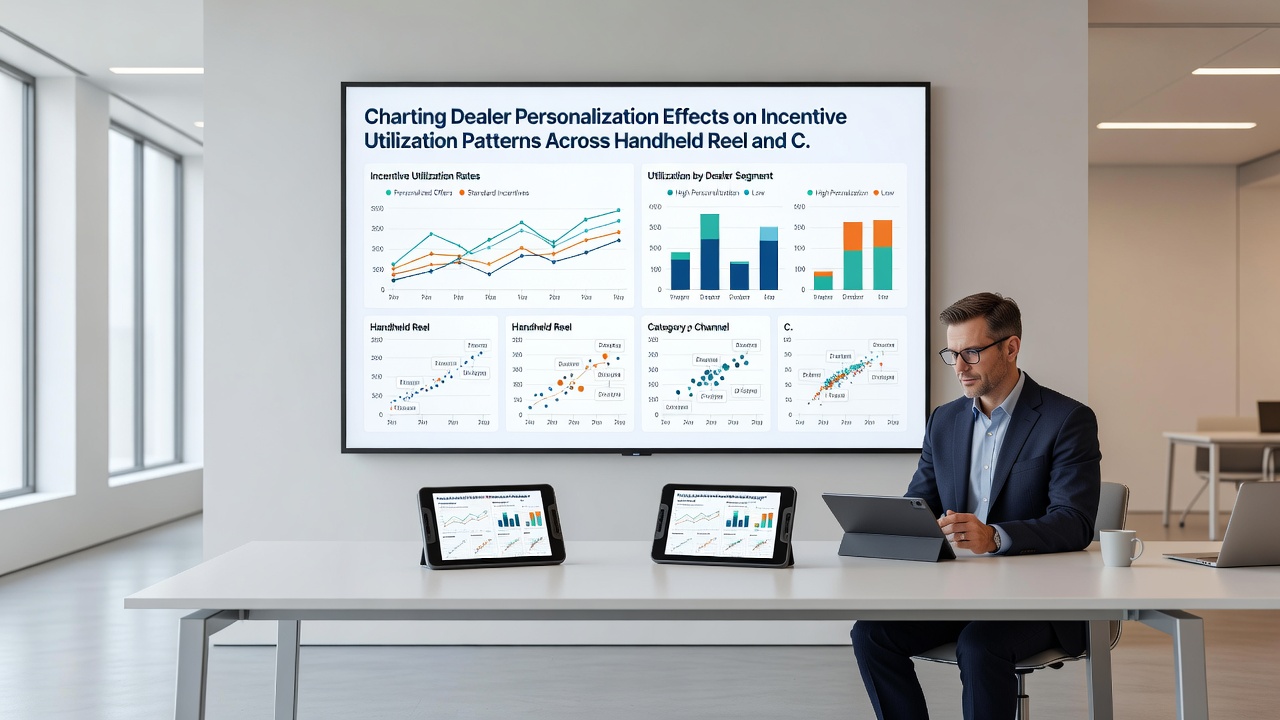
Developers integrate dealer personalization through modular code that separates visual and audio components from core game mechanics. This separation enables precise tracking of when users engage customization menus relative to incentive claim timestamps. Research teams at university-affiliated gaming laboratories have applied these logs to build models that predict utilization spikes based on the timing and frequency of dealer changes.
According to data shared by the Canadian Gaming Association, accounts that experiment with multiple dealer profiles during a single login period display broader distribution of incentive types across reel and card categories. The pattern suggests that variety in dealer presentation encourages players to explore different promotional offerings rather than concentrating activity in one game type.
Cross-Platform Observations from 2026 Reports
Industry white papers compiled in mid-2026 highlight that handheld reel sequences paired with personalized dealers show accelerated cycling of time-limited incentives, while card interfaces demonstrate steadier application of ongoing loyalty rewards. Both categories register elevated completion rates for multi-step bonus challenges when users maintain active customization settings throughout the process.
Operators in the Asia-Pacific region have contributed additional datasets indicating that cultural preferences for specific dealer aesthetics influence which incentive categories see the strongest uptake. These findings align with earlier North American observations, reinforcing the view that personalization effects transcend geographic boundaries in mobile environments.
Conclusion
Current evidence from multiple sources establishes measurable connections between dealer personalization tools and the patterns of incentive use in handheld reel and card interfaces. As platforms continue to refine these features through 2026, ongoing data collection will clarify the precise mechanisms driving the observed differences in redemption behavior across game categories. The available figures provide operators with actionable benchmarks for interface adjustments that align with documented player activity trends.